Felling a Tree
Whether you’re clearing land, removing a hazardous tree from your property, or chopping firewood, safely felling a tree takes preparation, precision, and awareness.
The good news is that with a bit of planning and an understanding of the proper technique, cutting down trees while keeping yourself, others, and your property safe is possible. Keep reading to learn the best way to cut down a tree, safety tips, how to assess the tree’s condition, how to make proper cuts, and how to clean up afterward.
Start with Safety
Before cutting down a tree, you need to think about safety. Chainsaws are powerful, and trees can be unpredictable. Even experienced Yarders know that just a few minutes of planning can make all the difference in getting the job done and staying safe while you do it.
Safety checklist for felling a tree:
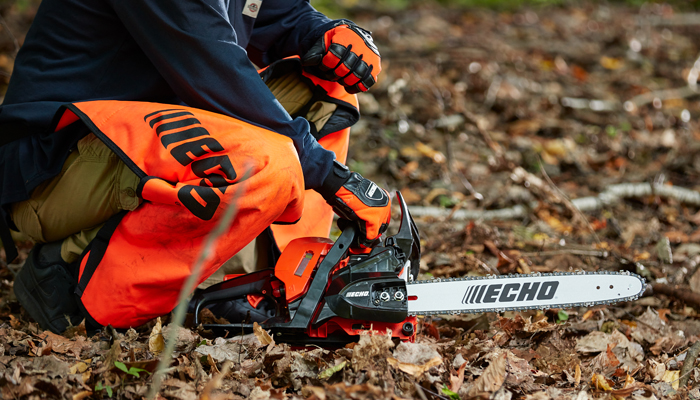
- Wear appropriate Personal Protective Equipment (PPE): You should always wear a helmet with a face shield, hearing protection, gloves, chainsaw chaps, and steel-toed boots when cutting down trees. These are what keep you safe and aren’t optional.
- Inspect your chainsaw: Before using it to fell a tree, check your saw’s fuel and oil levels and assess that the chain tension is appropriate
- Escape routes: It’s a good idea to have two planned escape routes. They should go in opposite directions of the felling.
- Distance: Keep bystanders and pets at a safe distance from the area you’re working in.
- Overhead hazards: Before starting, check for any overhead hazards like branches or nearby power lines. Take caution to avoid them.
Access the Tree & Plan Your Fall
After checking your safety gear, take a good look at the tree. Every tree leans a little bit differently, has its own weight balance, and may have hidden weaknesses. Checking a tree’s condition ahead of time helps you avoid any surprises and plan the safest way to bring it down.
Assessing a tree includes looking factors like:
- Natural lean: Identify the natural lean of your tree to determine the safest felling direction.
- Wind direction and speed: Strong winds can push your tree off course. Note the wind speed and direction on the day you plan to cut.
- Look for structural damage: Scan the tree for damage. Check for any rot at the base or cracks in the trunk that might affect how the tree falls.
- Look for obstacles: Check the path of the fall and ensure that vehicles, fences, or other trees won’t be disrupted.
Make the Right Cuts
Making proper cuts to fell a tree—including where and the order you make individual cuts—determines where the tree will fall. There are three primary cuts that the pros use. Understanding them is critical, especially when you're cutting a tree down for the first time.
The Direction Notch (Face Cut)
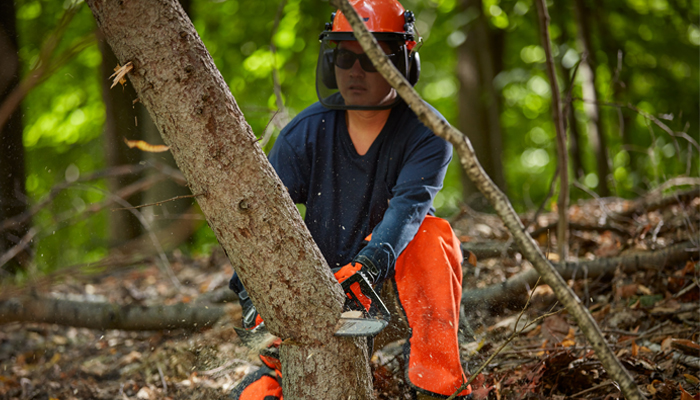
The directional notch, or face cut, is the first cut you’re going to make. It’s made on the side of the tree that faces the direction you want it to fall. This cut consists of two slices that form a notch.
First, make a horizontal bottom cut, and then create an angled top cut. The notch controls the fall, so accuracy really matters here. A good rule of thumb is to make the directional notch one-third of the trunk’s diameter.
The Hinge Wood
The hinge wood sits just behind your directional notch. It works like a door hinge, guiding the tree as it starts to tip. Leave an even strip of hinge wood to ensure the tree tips in your intended direction, instead of twisting unexpectedly, which can be dangerous and even life-threatening.
The Felling Cut (Back Cut)
The felling cut, or back cut, is made on the opposite side of your notch. It should be positioned slightly above the bottom of the directional notch cut, allowing the tree to release and fall along the hinge wood. Stop cutting when there’s enough hinge wood remaining to guide the fall. Be careful not to overcut, which can cause a loss of control.
Cleanup & Limbing
Once the tree is down, wait before approaching it. Branches can still shift even after a tree falls, so use caution when moving toward it. Cleaning up the right way keeps your yard safe and ready for whatever’s next.
Learning how to safely cut down a tree includes the following post-fall practices:
- Wait for the tree to fully settle before you approach it.
- Start limbing at the base and work your way up toward the crown of the tree.
- Stand on the side of the trunk that’s opposite your chainsaw.
- Cut limbs into small, manageable sections to maintain control.
Tools That Make Tree Felling Easier
Good tools make all the difference. The right gear helps you work faster and safer while achieving better results.
- Chainsaws: Choose from ECHO’s range of chainsaws to ensure you have the right power and performance for the job.
- PPE: Helmets, chaps, and gloves are all essential for keeping you safe.
- Felling wedges: These prevent pinching the saw mid-cut.
- Fuel and chain oil: Use fuel, oil, and lubricants designed for your specific equipment.
Getting Started
Knowing how to fell a tree safely takes practice, patience, and the right tools. It’s not a job you want to rush. If this is your first time felling a tree, it’s a good idea to practice on a smaller tree first. Do this in an open area. Never work alone when cutting trees, and avoid working near power lines. If you’re not confident or feel unsure, it’s okay to leave the toughest felling jobs to the pros.