Winterizing Equipment
Proper equipment winterization protects two-cycle tools during seasonal storage or extended periods between use. Understanding how to winterize tools correctly prevents fuel system degradation, starting difficulties, and costly repairs when equipment returns to service. This systematic approach applies to all two-cycle equipment including string trimmers, chainsaws, backpack blowers, and edgers.
Required Materials
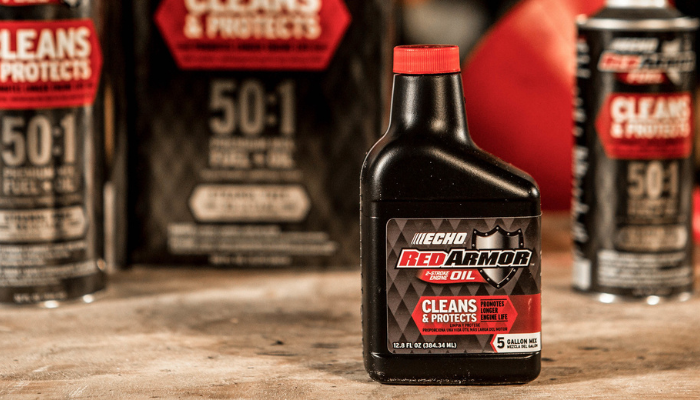
Equipment winterization procedures require three essential components: non-ethanol fuel, two-cycle engine oil, and fuel stabilizer. Non-ethanol fuel proves superior for storage applications because it resists moisture absorption that causes fuel system corrosion and carburetor varnishing during idle periods. Ethanol-blended fuels attract atmospheric moisture, creating the precise conditions winterization aims to prevent.
Quality two-cycle engine oil mixed at manufacturer-specified ratios ensures proper lubrication throughout the storage period. Fuel stabilizer prevents fuel degradation and varnish formation that clogs jets and passages in carburetors.
.png)
Fuel Mixture Preparation
Begin by mixing fresh two-cycle fuel according to equipment manufacturer specifications—typically 50:1 ratio for most professional equipment. Use appropriately sized containers matching the fuel volume being mixed. This ensures accurate measurements and complete mixing.
For example, mix 2.5 gallons of fuel in a 2.5-gallon container rather than larger vessels where measurement accuracy suffers.
After adding two-cycle oil to non-ethanol fuel, shake the container thoroughly to ensure complete mixing before proceeding.
Adding Fuel Stabilizer
Following fuel stabilizer manufacturer instructions, add the appropriate quantity to the prepared two-cycle fuel mixture. Most stabilizers feature measurement chambers—squeeze the bottle to fill the chamber to the desired level, then pour into the fuel container. After adding stabilizer, shake the container again to distribute it evenly throughout the fuel mixture.
This stabilized, properly mixed fuel now provides complete protection for equipment storage.
Equipment Preparation
Before adding stabilized fuel, verify equipment fuel tanks are either empty or contain minimal old fuel. The guideline involves filling tanks that are quarter-full or less—this ensures adequate fresh fuel volume to displace old fuel from the entire fuel system.
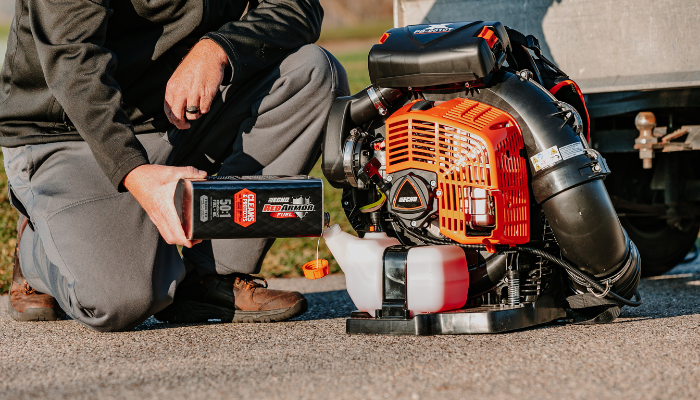
Remove fuel caps and fill equipment tanks completely with the stabilized fuel mixture. Full tanks minimize air space where condensation can form, reducing moisture contamination risk during storage.
.png)
Final Operating Step
The critical final step involves running equipment for approximately five minutes after filling with stabilized fuel. This operation circulates the treated fuel throughout the entire fuel system including fuel lines, fuel filter, carburetor passages, and combustion chamber. Without this circulation step, old untreated fuel remains in the carburetor and fuel lines where it will degrade during storage.
Run equipment at operating temperature under light load, allowing the stabilized fuel to completely replace untreated fuel in all system components. This ensures protection extends beyond the tank to every fuel-wetted surface.
Applicability Across Equipment Types
These winterization procedures apply universally to two-cycle equipment. How to winterize weed eater equipment follows this identical process, as does winterizing a chainsaw, backpack blower, or any other two-cycle tool. The fuel system protection principles remain constant across all two-cycle engine platforms.
Storage Location
After completing the winterization process, store equipment in dry, temperature-stable locations protected from extreme temperature swings and moisture exposure. Avoid damp basements or uninsulated outbuildings where condensation forms on cold metal surfaces. Climate-controlled storage provides optimal conditions but clean, dry shop spaces offer adequate protection for properly winterized equipment.
Following these straightforward winterization procedures ensures equipment remains ready for reliable spring startup, eliminating the frustration and expense of carburetor rebuilds, fuel system cleaning, and starting system repairs that plague improperly stored two-cycle tools.
Adapted from content provided by Jonathan Fernandez.
Jonathan Fernandez