How to Get a Green Lawn
A front yard makes the first impression of any home. It doesn’t matter if you’re a home-owning Yarder or a landscaping professional; there’s pride in having and maintaining an envy-worthy outdoor space. But a full, lush, green lawn doesn’t happen overnight. It comes from consistent, quality and dedicated care. You need to nourish the soil, mow at the proper blade length, water deeply and frequently, and fertilize at the right times.
Whether you’re trying to figure out how to get a green lawn for the first time or you’re a seasoned pro, it helps to understand that getting a perfect yard isn’t something you can accomplish in a weekend. This guide teaches you tips and tricks for keeping grass thick, green and beautiful, year after year. 
Start with Healthy Soil
All great yards start with healthy, high-quality soil. Even before you start mowing or feeding your grass, you should focus on preparing the foundation of your lawn: the soil it grows in. Healthy soil means grass roots have room to spread, absorb nutrients and stay hydrated, even during the hottest summer months. Without rich soil, grass seed will struggle to even survive, let alone thrive.
When soil is dense or too compacted, roots can suffocate, and air, water and nutrients will be blocked from doing their job. The result is often thin, patchy, pale or dead grass, even if you’re watering enough and regularly. If you’re not sure about the health of your soil, one of the first—and most effective—parts of knowing how to make your yard green is testing your soil’s pH and nutrient levels. You can find simple, reliable and easy-to-use DIY soil testing kits at your local garden center or online. Knowing more about the health of your soil means you can make more informed decisions about things like lime, compost and the types of fertilizers you should be using to keep your lawn as healthy as possible.
Mow Smart, Not Short
You might think giving your lawn a close, short cut is the best way to clean up your yard, but the truth is, shorter isn’t necessarily smarter. In fact, leaving your grass a bit longer is one of the most underrated tips for green grass health. Try to keep your grass at about three inches. Longer blades help shade the soil, reduce stress on the grass, promote stronger roots, conserve moisture and act as a natural weed suppressor. A good rule of thumb is not to remove more than one-third of your grass length in a single mow.
Another mowing tip involves maintaining your mower. Proper mower maintenance keeps the blades sharp every time you mow the lawn. Uneven or dull blades can tear grass rather than cut it cleanly, resulting in unsightly, brown edges and an increased risk of disease.
One of the most effective tips when it comes to keeping grass green is making sure you’re using a powerful, reliable, top‑of‑the‑line mower. If you’re looking to upgrade or replace your lawn mower this year, ECHO’s gas and electric mowers offer consistent power and precision. Deciding between gas and electric is a personal choice, but one perk of battery-powered mowers is reduced maintenance by eliminating the need for oil changes. You also don’t have to worry about keeping gas on hand, and ECHO’s auto switch battery means less downtime.
Water Your Soil
There’s a science to watering your lawn. Both overwatering and underwatering will work against you. The secret to learning how to keep a green lawn is understanding the importance of watering deeply rather than frequently. Early morning watering is often your best bet, especially during the hottest months of the year. In general, deep soaks early in the day help to reduce evaporation and give blades time to dry before the evening hours, when temperatures drop. 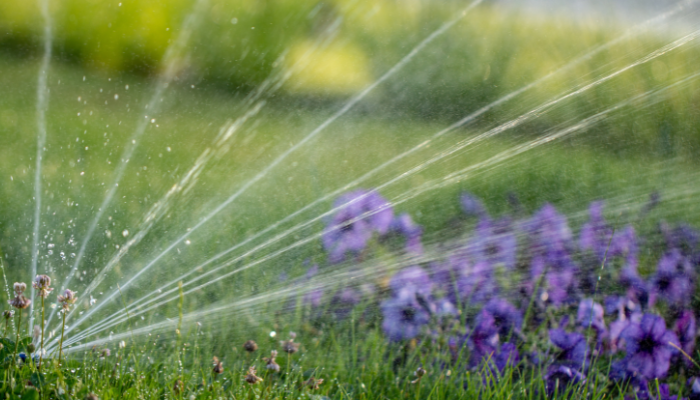
Shallow watering every day, without giving your soil a deep soak, causes shallow grass roots. Deep watering, on the other hand, helps push roots downward, where moisture can last longer. How much and how often you should water your lawn depends on several factors, including where you live and the average temperature throughout the season, but deep watering typically consists of watering about an inch deep once or twice a week.
Signs that your lawn isn’t getting enough water include dull, bluish grass and footprints that linger long after someone walks through your yard. Overwatering can cause fungus to build up while increasing the likelihood that your grass will have shallow roots, so be careful not to water too much, either. Mastering a watering schedule means you’re that much closer to knowing how to get a green lawn with minimal effort.
Feed Your Lawn Properly
Like any other type of tree, foliage or plant, your grass needs a healthy diet. Fertilizing your lawn replenishes a lot of the nutrients that mowing and rain wash away over the season.
Timing is important when it comes to feeding a lawn. It’s a good idea to fertilize your yard twice a year, generally once in the spring and another time in the fall.
TOP TIPS FOR GREEN GRASS: Be careful about overfertilization, which can burn roots and cause uneven grass growth. To ensure nutrients reach every area of your grass, use a balanced, slow-release fertilizer and invest in a quality spreader that ensures even application.
Control Weeds Before They Take Over
Weeds can destroy even the nicest lawns. After all, they compete with your grass for water, light and nutrients. Using pre-emergent treatments early in the spring can help stop weeds before they get a chance to sprout. If you’re dealing with existing weeds, a post-emergent spray or manual removal both work well.
In the case of small patches of weeds, pulling by hand reduces the amount of chemicals you’re putting in your yard. If you’re dealing with very large outbreaks, though, targeted applications can save time and your back. Your best bet is to try to stay ahead of weed growth by spot-checking and regularly pulling unsightly weeds all summer long.
Aerate & Detach When Needed
Footsteps, trails or water pools on the surface of a lawn are a sign that your soil can’t breathe. Aerating your lawn involves removing small plugs of soil across your yard. The process improves airflow and water penetration and ensures nutrients are absorbed into the soil to promote the best growth.
Another issue to be aware of, especially during the summer months, is thatch. When this occurs, a dense layer of roots, stems and debris collects between the soil and your grass. Thatch blocks nutrients and causes the grass to yellow. While a thin layer of thatch can be beneficial in retaining moisture, more than a half-inch will ultimately impact your yard’s appearance and growth.
Aerating yearly and dethatching when necessary helps keep your lawn's ecosystem in the best shape. The good news is this isn’t something you have to do often or regularly. Think of it as seasonal maintenance, not a weekly job you need to worry about or keep up with.
Overseed Thin or Bare Areas
Patchy, uneven spots across your lawn indicate it’s time to overseed. Overseeding helps to create a more dense area, crowding out weeds and helping your grass stay greener.
To overseed thin or bare areas, loosen the top soil before spreading new seed. Evenly spread seeds, then lightly cover and water them consistently for two weeks. Overseeding helps revitalize tired lawns and can give new life to any areas that have been impacted by harsh weather or heavy foot traffic. 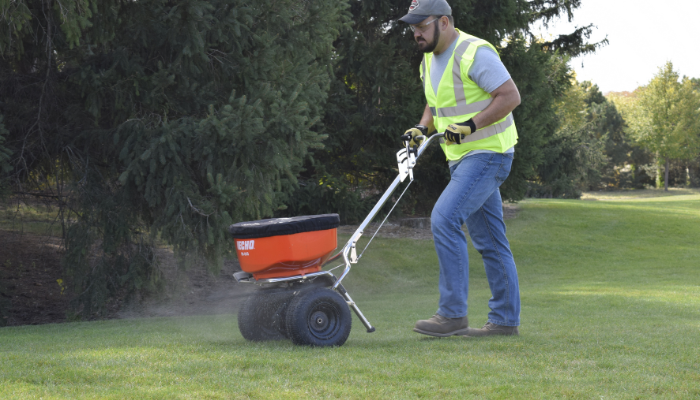
Edge & Trim for a Finished Look
Edging gives your yard a nice, clean, finished look that makes a good lawn look even better. Maintaining clean borders around your driveway, walkways and flower beds improves curb appeal and instantly shows that your yard is clearly cared for. ECHO’s line of edgers and trimmers makes it simple to keep borders crisp and clean, without a ton of extra effort.
Address Common Lawn Problems
Even the best Yarder might experience a few lawn problems over the years. Here are some pro tips on how to troubleshoot common issues you may encounter when trying to care for your lawn:
Dog spots: Flush the area with water and reseed lightly if necessary.
Issues with shade: If large portions of your lawn are shaded, choose a shade-tolerant grass. You can also thin surrounding trees that are causing the shade.
Uneven grass growth: Check and maintain your mower blades regularly. Water consistently and make sure your soil is balanced.
Pests or fungus: If you’re dealing with pests or fungus, your best bet is to identify issues early on and treat them with targeted methods.
High traffic wear and tear: Whenever possible, rotate play zones or walk pathways and overseed regularly.
If you’re looking for a gorgeous yard, consistency is key. There’s no one, single trick when it comes to knowing how to keep a green lawn. It’s about creating and prioritizing healthy yard upkeep habits. Sharp mowing, smart watering, proper and consistent feeding, and regular seasonal upkeep help you get the reward of having a beautiful, lush yard every season.
You don’t get a green lawn overnight. It’s something that’s built over time. When you have patience, the right tools and a steady routine, your yard can be picture-perfect.