Spring Lawn Care Dos and Don'ts
Winter is cold, long and dark. By spring, you’re probably more than ready to wake up and go…and your lawn is ready, too. As the snow begins to melt and you start to catch sneak peeks of green and buds, you might find you’re itching to get out in the yard. But when it comes to spring lawn care, knowing what to do can be just as important as knowing what not to do.
From seasoned Yarders to professionals, having a game plan for spring lawn preparation is key to success. Learn the do’s and don’ts of spring lawn maintenance here, with step-by-step advice on everything from cleaning to mowing to feeding and watering. Armed with these spring lawn care steps, your yard will be ready to thrive from the first warm day through the hottest days of summer.

Start with a Clean Slate
The aftermath of winter can leave matted, soggy leaves, salt residue, snow mold, and bare patches from ice, foot and pet traffic. The first step in starting any spring time lawn care routine is cleaning, inspecting and resetting, so your lawn recovers and looks beautiful.
Even small steps will make future work easier and more effective. Think of it as spring lawn preparation groundwork that sets your yard up for a healthy, strong recovery.
Dos
DO lightly rake your yard: It’s easy to remove debris like matted grass, leaves and twigs with a light, gentle pass of the rake. This simple task offers huge benefits, allowing sunlight to reach the soil.
DO look for damaged spots: Winter can wreak havoc on your lawn. Walk your yard and note any bare patches and places where water has pooled. Check for weak or thin turf.
DO clean up edges: Do a sweep to remove winter debris from beds, walkways and driveways. You’ll not only refresh those crisp lines that make your yard look well-manicured and cared for, but you’ll also prevent weeds from creeping back in as things start sprouting and growing.
Dont's
DON’T allow heavy traffic in saturated areas: If your grass is wet, soggy or soft, heavy traffic will pack down and compact soil, ultimately choking out roots later in the warmer growing season.
DON’T skip the inspection: Don’t go straight to mowing before checking the condition of your lawn. Spotting issues early prevents frustration and saves you time in the long run.
Mowing Right From the Start
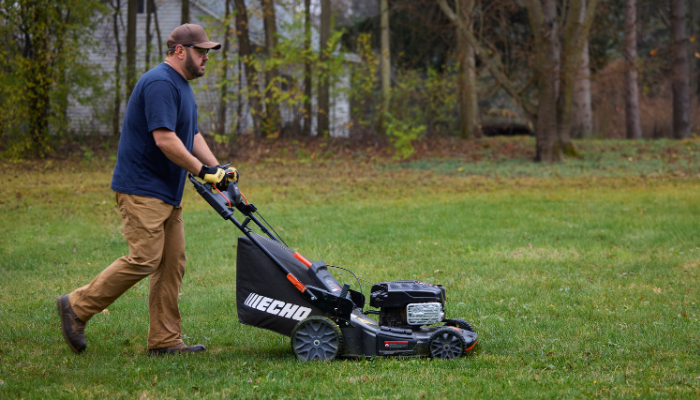
Your first spring mow brings that fresh-cut grass smell. It’s the undeniable official sign that spring is here. Unfortunately, despite being one of the most common lawn care activities, mowing is also the easiest task to get wrong. Mowing isn’t as simple as firing up your mower and rolling across your lawn. Pay attention to both timing and technique to promote healthy long-term growth.
Dos
DO wait until grass is actively growing and dry: Before the first mow of the season, grass should be growing past the first hint of green. Cutting your lawn too soon slows recovery and can tear or damage tender blades.
DO set the mower blade high for the first cut: Remove no more than one-third of the blade height on your first (and every) mow. Especially in the first few mows, this reduces stress and helps encourage deep root growth.
DO sharpen or replace mower blades as needed: Before the season begins, check that your mower’s blades are sharp and free of debris. Sharp, clean, rust-free blades won’t tear individual grass sprouts, and clean cuts help resist disease and improve the overall appearance of your lawn.
Dont's
DON'T scalp the lawn: Cutting grass too short in spring will stress and weaken your turf. It also invites weeds since the soil is more exposed to sunlight. Taller grass naturally shades out unwanted weed growth.
DON'T mow on a fixed schedule: During the heat of summer, regular mowing offers benefits and is necessary. But at the beginning of the spring season, you want to mow based on growth rate. Use temperature and rainfall to determine your mowing needs during the spring months, not a strict schedule or the calendar.
Feeding Your Lawn
One of the biggest parts of lawn care for spring includes feeding your grass. Grass thrives on balance and consistency. Overfeeding or feeding at the wrong times can cause burned spots and weaken root systems. Make sure you understand what your soil needs before you apply fertilizer, so you can choose the right type and timing.
Dos
DO test your soil: Before applying any fertilizer, test your soil. The results help you understand pH levels and highlight the nutrient balance you’re seeking, so you can make the smartest product choice.
DO apply a slow-release fertilizer: Once grass is actively growing and soil hits around 55°F, you can apply a slow-release fertilizer to gradually deliver nutrients without shocking your lawn.
DO use a broadcast spreader: Using a high-quality spreader ensures an even, consistent application. Don’t hand-toss fertilizer around your yard, which can lead to uneven coverage and burn spots.
Dont's
DON'T fertilize too early: Feeding dormant grass wastes product (not to mention money) and can actually cause weed growth.
DON'T over-apply nitrogen: Too much nitrogen causes rapid top growth, sacrificing deep, healthy root development. You might have a greener lawn more quickly, but the growth can work against you, taking energy from your root system.
DON'T skip the spreader: A good spreader prevents uneven fertilizer application, which causes an unsightly, patchy, inconsistent appearance that can be difficult to fix.
Weed Prevention and Pest Awareness
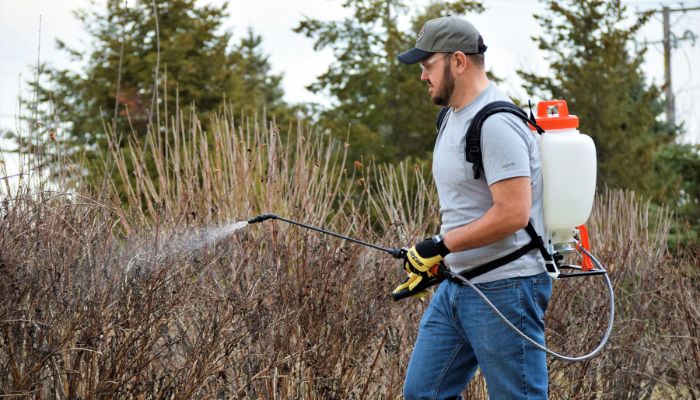
As winter fades and spring blooms, it’s the best time to get ahead of weeds and pests. These two threats can pose the greatest challenges to your lawn during the warmer months. Don’t try to fight everything at once. Use a selective plan to address any issues that have arisen. Applying a pre-emergent herbicide at the right time and understanding the difference between pre- and post-emergent treatments helps you avoid common pest-related pitfalls in spring.
Dos
DO apply a pre-emergent herbicide: Before soil temperatures consistently reach 55°F, applying a pre-emergent barrier helps stop weed seeds (like crabgrass) from germinating and surfacing.
DO address bare spots quickly: Leaving bare spots on soil is an open invitation for weeds. Patch with seed or lay down sod on any problem spots as soon as you have mild, consistent temperatures.
Dont's
DON'T use weed killer and grass seed at the same time: Most pre-emergents prevent all germination, including desirable seed. Make sure you time applications properly. Do one or the other first and give time in between.
DON'T panic-spray for pests: Unless you've actually confirmed that you have a problem, unnecessary pesticide applications can often do more harm than good, killing beneficial organisms in your lawn’s ecosystem.
Smart Watering for Spring
At the beginning of spring, your lawn can retain plenty of moisture from the winter frost and freezes. Be careful not to overwater early in the season. It’s a mistake that will ultimately weaken your root system and encourage damaging fungal disease. Knowing when, how, and how much to water helps your lawn stay as strong as possible as you move into the warm-to-hot summer months.
Dos
DO adjust watering to spring weather conditions: Your lawn needs considerably less water in spring than during peak summer heat, since rainfall, melting snow and frost can usually provide enough moisture. You can gradually increase your watering schedule as you notice signs of stress, such as a dull green color or lingering footprints.
DO water deeply but infrequently: Less often, deep, watering helps encourage healthy root growth. One or two deep waterings each week will ensure roots grow down and are strong.
PRO TIP: Watering early in the morning reduces evaporation and the risk of disease.
Dont's
DON'T water on a summer schedule: Overwatering in the spring promotes fungal disease, soggy soil and shallow roots that won’t thrive. While you will need to eventually ramp up your watering frequency, spring isn’t the time for overly consistent, heavy or deep watering.
DON'T water in the evening: Morning watering gives grass blades a chance to fully absorb moisture and completely dry before night. Damp grass, especially in the cooler evening hours, creates prime conditions for fungus to grow.
Set Your Lawn Up for a Great Season
Even if you’re unsure about what to do when and why, getting your lawn back into great shape after winter doesn’t require a ton of long weekends or expensive fixes. Once you understand what to look for and know about proper timing, you’ll know exactly when to mow, edge, trim, and feed your lawn. If you treat spring as the time to get ready for the rest of the year, you’ll understand that well-timed, thoughtful care pays off. In no time at all, with these spring lawn care tips, you’ll have that lush, deep, healthy green carpet that looks great all summer long.