Hydration Tips for Outdoor Workers
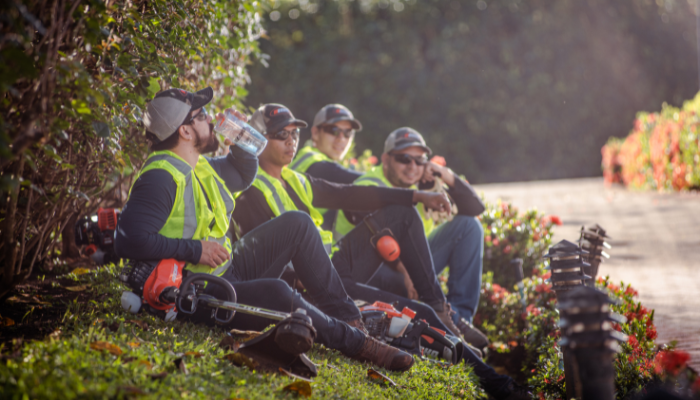
Landscape and outdoor construction professionals working through summer months face serious health risks from inadequate hydration. Understanding how to stay hydrated during extended outdoor work prevents heat-related illnesses that cause lost work time, medical expenses, and potential long-term health consequences. Heat stroke and heat exhaustion represent genuine medical emergencies, not minor inconveniences to push through.
The Heat Index Reality
Ambient temperature readings don't reflect actual heat stress on working bodies. When air temperatures reach 90-95°F, heat index calculations accounting for humidity frequently push effective temperatures into triple digits. This combination of heat and humidity impairs the body's cooling mechanisms, accelerating dehydration and heat illness onset.
Regions experiencing high heat and humidity—including southeastern states, Gulf Coast areas, and inland valleys—create particularly dangerous working conditions where heat illness risk remains elevated throughout summer operating seasons.
Critical Warning Signs Requiring Immediate Action
Outdoor workers must recognize early heat illness symptoms and respond immediately. Headaches developing during work indicate advancing dehydration. Dizziness, lightheadedness, or feeling "woozy" signals the body's cooling systems are failing. Most critically, reduced or absent sweating during continued heat exposure represents severe dehydration—the body has depleted fluid reserves necessary for evaporative cooling.
When these symptoms appear, stopping work immediately isn't optional—it's medically necessary. The best way to stay hydrated while working outside includes recognizing when hydration has already failed and emergency cooling and fluid replacement become urgent.
Heat Stroke Recovery and Recurrence Risk
Heat stroke causes serious physiological damage requiring extended recovery periods—typically one to three weeks before full work capacity returns. More concerning, individuals who experience heat stroke become permanently more susceptible to subsequent episodes. This increased vulnerability persists indefinitely, making prevention absolutely critical for long-term career sustainability in outdoor work.
Practical Hydration Strategies
Effective hydration begins before work starts. Pre-hydrating by consuming 16-20 ounces of water in the hour before beginning outdoor work establishes baseline hydration. During work, consuming 7-10 ounces every 15-20 minutes maintains fluid balance even during heavy sweating. This intake rate feels excessive initially but proves necessary for preventing dehydration during strenuous work in heat.
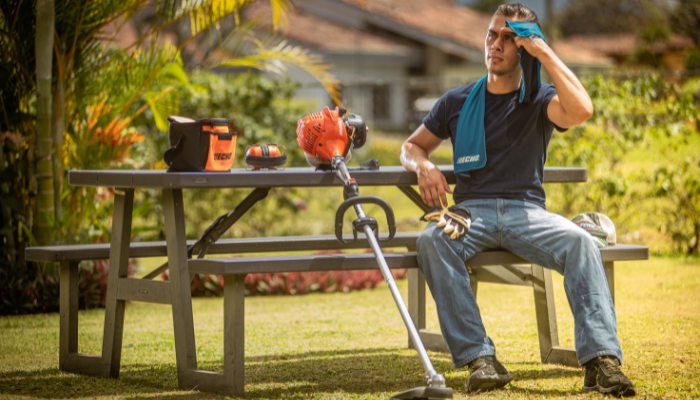
Insulated water containers maintaining cold water temperature encourage adequate consumption—cold fluids taste better and provide modest cooling benefit. Container size matters less than refill access and consumption discipline. Whether using gallon jugs, quart bottles, or hydration packs, the key involves consistent intake throughout work periods rather than drinking only when thirsty. By the time thirst signals register, mild dehydration has already begun.
Mandatory Break Implementation
Scheduled breaks in shaded or air-conditioned locations provide essential recovery periods where core body temperature can decrease. These breaks aren't productivity losses—they're necessary operational practices preventing medical emergencies that halt work entirely and potentially hospitalize crew members.
Economic and Health Perspective
No landscape contract, property, or daily revenue target justifies risking heat illness. Medical treatment costs, lost work time during recovery, and potential long-term health impacts far exceed any single day's earnings. More fundamentally, career longevity in outdoor professions requires sustainable work practices that preserve health across decades, not maximizing short-term output at health expense.
Professional operations should establish heat illness prevention protocols including mandatory hydration schedules, regular breaks, and clear guidance empowering workers to stop when symptoms appear without fear of criticism or lost wages. This systematic approach protects both workers and business operations from devastating consequences of heat-related medical emergencies.
Adapted from content provided by Jaclyn (Ma & Pa) Lee.
Jaclyn (Ma & Pa) Lee