Severe Weather Driving Safety for Landscape Professionals
Landscape and tree care professionals spend significant time traveling between job sites, often covering service areas spanning multiple counties. This mobility creates substantial exposure to severe weather hazards that can develop rapidly without warning. Understanding these hazards and implementing structured response protocols protects crews while maintaining operational efficiency.
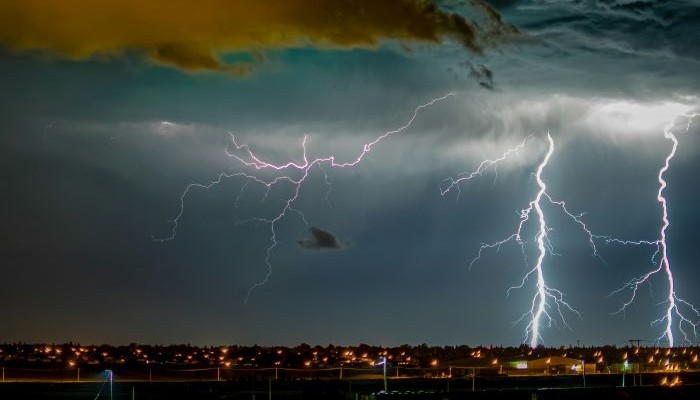
Understanding Storm-Related Vehicle Hazards
Flooding represents the deadliest severe weather threat to motorists, with more than half of flood-related fatalities involving drivers attempting to navigate flooded roadways. Just twelve inches of moving water generates sufficient force to carry away most passenger vehicles, while two feet of water will float pickup trucks and SUVs commonly used in landscape operations.
Heavy rainfall creates serious driving hazards even before flooding develops. Approximately 80 percent of driving decisions rely on visibility, and downpours dramatically reduce sight distances while creating hydroplaning conditions. The most dangerous period occurs immediately after rain begins, when accumulated oil and fluids rise to the road surface before runoff washes them away.
Hail from severe thunderstorms can reach softball size and fall at speeds exceeding 100 mph, shattering vehicle glass and damaging equipment. Thunderstorm winds frequently match tornado intensity, with particular danger to high-profile vehicles like vans and equipment trailers. Tornadoes can hurl vehicles into obstacles or carry them a quarter mile through the air.
Vehicle Preparation and Equipment Securement
Regular mechanical inspections ensure vehicles remain roadworthy under challenging conditions. Daily pre-trip checks should verify proper function of headlights, taillights, and brake lights—visibility to other drivers becomes critical during storms. Windshield wipers require replacement every six months to maintain effective water clearing capability.
Emergency supply kits in every vehicle should include first-aid supplies, flashlights with fresh batteries, warning triangles or flares, blankets, and jumper cables. These supplies transform minor incidents into manageable inconveniences rather than dangerous emergencies.
Equipment and material securement deserves particular attention. Unsecured items become dangerous projectiles during sudden stops or when strong winds strike open truck beds and trailers. Tools, equipment, plants, fuel containers, and chemical tanks must be properly tied down to prevent movement. Beyond crew safety, inadequate load securement creates liability exposure if loose items cause accidents or property damage.
Implementing Weather Monitoring Systems
Effective severe weather response begins with reliable advance warning. Successful operations designate a specific crew member as weather watcher for each traveling crew, with trained alternates ready when primary weather watchers are unavailable.
Weather watchers maintain awareness through smartphone applications, vehicle radios, and dedicated weather radios. Before departure and throughout travel, they review forecasts for the current location, entire route, and destination. Understanding county names along travel routes proves essential because severe weather warnings are issued county-by-county.
Continuous visual weather monitoring complements electronic forecasts. Dark clouds, increasing winds, thunder, lightning, and heavy rainfall all signal potential hazards. Weather watchers communicate predicted hazards to crew leaders and notify crews when travel delays or cancellations become necessary. After crews reach safe locations, weather watchers continue monitoring conditions and updating management to enable informed decisions about resuming travel.
Responding to Heavy Rain and Flooding
When encountering heavy rain while driving, crews should activate headlights and safely exit roadways at the first opportunity. Vehicles should be parked away from traffic flow with emergency flashers activated. Crews remain in vehicles until heavy precipitation ends. If lightning occurs, crews should seek shelter in fully enclosed buildings with plumbing and wiring. When such buildings aren't available, crews remain in vehicles with windows closed, avoiding contact with metal surfaces.
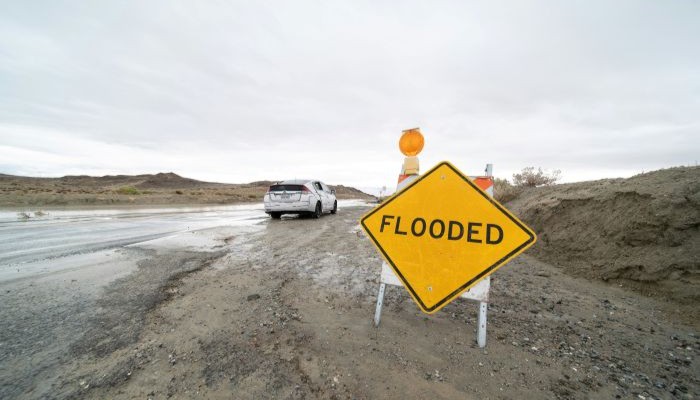
Flooding demands immediate roadway exit. Flash floods can develop within minutes following heavy rainfall. Never attempt to drive through water covering roadways—depth cannot be accurately judged, roadbeds may be washed out beneath the surface, and moving water exerts far more force than anticipated. Any flooded roadway requires turning around immediately.
If rising water surrounds a stationary vehicle and driving to higher ground isn't safely possible, crews should quickly abandon the vehicle while water remains only inches deep. However, if a vehicle becomes swept into moving water, occupants should remain inside and move to the roof if interior water rises. Six inches of moving water can sweep people off their feet, making walking through flooded areas extremely dangerous.
Wind and Hail Response
Strong winds require particular caution around high-profile vehicles and equipment trailers. When winds threaten vehicle control, crews should exit roadways using extreme care and seek substantial buildings for shelter. Commercial facilities like truck stops or convenience stores provide appropriate protection.
Never park under highway overpasses or bridges during hail—this creates traffic jams blocking emergency vehicles. Instead, exit roadways and find substantial buildings or covered areas like car washes.
Tornado Response While Traveling
Tornado warning signs include dark or greenish clouds, isolated lowering of cloud bases (wall clouds), visible debris clouds, large hail, funnel clouds, and characteristic roaring sounds. When tornadoes are possible in the area or when one is observed forming with adequate time, crews should exit roadways and locate substantial buildings for shelter.
If a tornado is imminent without time to reach suitable buildings, two options exist depending on terrain. Crews can remain in vehicles with seatbelts fastened, heads below window level, covered with arms and blankets if available. Alternatively, if areas significantly lower than roadway level are safely accessible, crews can exit vehicles and lie in these low areas with heads covered, maintaining distance from vehicles and other potential projectiles.
Highway overpasses and bridges provide no tornado protection despite common misconceptions. These structures create wind tunnel effects that increase wind speeds while offering no overhead protection. Carports and open structures also provide inadequate shelter. Substantial enclosed buildings remain the only safe above-ground tornado shelter option.
Additional Driving Considerations
Wet roadway driving requires avoiding cruise control and sudden braking, both of which frequently cause loss of traction. Smooth, gradual inputs maintain vehicle control on slippery surfaces.
When walking through water becomes unavoidable, only traverse standing water rather than moving flows, using a stick or pole to verify ground stability ahead of each step. Never park vehicles along streams, rivers, or creeks where flash flooding can occur.
Comprehensive emergency planning, regular training, and disciplined adherence to weather monitoring and response protocols substantially reduce severe weather risks for mobile landscape crews. The unpredictability of severe weather requires proactive systems rather than reactive responses to keep crews safe while maintaining operational effectiveness.
Adapted from content provided by NALP.
NALP