Gas vs Battery Hedge Trimmers
Professional landscapers benefit from understanding the distinct advantages of gas-powered and battery-powered hedge trimmers. The ECHO DSHC-2600 battery model and HCA-2620S gas model illustrate how each power source serves different applications in commercial hedge maintenance.
Design and Maneuverability Differences
Both models feature adjustable cutting heads that allow operators to change angles for different trimming scenarios. However, the battery-powered DSHC-2600 offers a longer reach configuration, while the gas-powered HCA-2620S provides a more compact profile. This length difference becomes strategically important: extended reach benefits work on taller hedges or when accessing growth from a distance, while the shorter gas unit excels on smaller, tighter plantings where maneuverability in confined spaces matters more than reach.
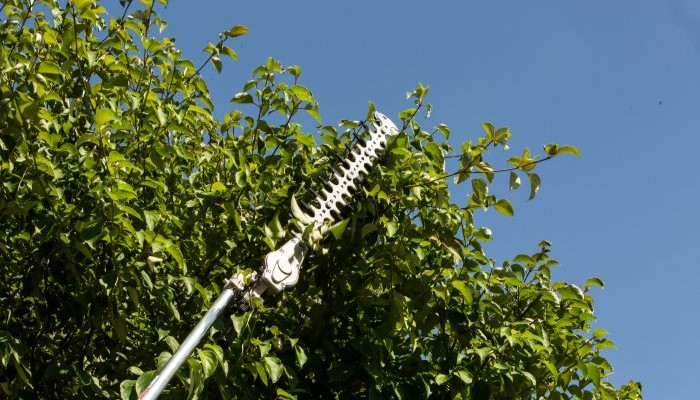
The handle design represents one of the most significant ergonomic distinctions between these power platforms. The battery-powered model features a handle configuration that accommodates multiple hand positions naturally, proving particularly advantageous when working underneath hedges, around corners, or behind plantings. Operators can reposition their grip fluidly without fighting the tool's design. The gas-powered handle, while durable and functional, offers less flexibility for hand repositioning during complex trimming angles, especially when working beneath shrub canopies where awkward positions are unavoidable.
Power Delivery and Cutting Performance
The DSHC-2600 operates on ECHO's 56V Battery System with 5.0Ah capacity, delivering quiet operation with instant throttle response. The reduced noise output creates strategic value in noise-sensitive environments like residential subdivisions, particularly during early morning work when minimizing disturbance matters. Electric power eliminates engine emissions, making the battery unit preferable for enclosed areas or when working near building ventilation intakes.
Gas-powered performance through the HCA-262S provides traditional combustion engine torque characteristics. This power delivery style proves particularly effective when cutting dense or woody growth. Field experience demonstrates that gas power maintains an advantage when tackling thicker material like mature holly, which presents substantial resistance to cutting blades. The gas unit's sustained power output handles demanding cuts without bogging down.
For softer or less woody plant material—ligustrum, nandina, boxwood, and similar landscape staples—the battery-powered trimmer delivers entirely adequate cutting performance. These plants present less resistance, allowing the electric motor to work within its optimal power band. The result is professional-quality cuts without the weight, noise, or emissions of gas power.
Practical Application Guidelines
Selecting the appropriate tool for each job improves both efficiency and operator comfort. The battery-powered trimmer excels in these scenarios: residential areas during early hours where noise considerations matter, work on taller hedges where extended reach provides value, jobs requiring frequent repositioning around and behind plantings where handle flexibility reduces fatigue, and maintenance of softer landscape plants that don't demand maximum cutting power.
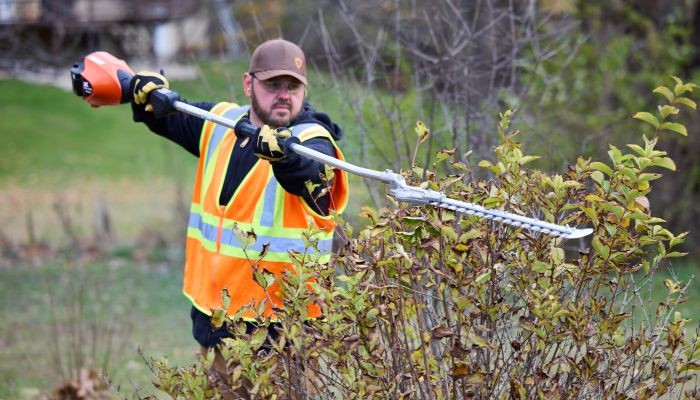
The gas-powered trimmer becomes the preferred choice for: dense, woody growth like mature holly that requires sustained cutting power, all-day trimming operations where swapping batteries would interrupt workflow, situations where maximum blade speed through heavy material saves time, and compact hedge work where shorter overall length improves control.
Durability Considerations
The trigger mechanism durability differs noticeably between platforms. Gas-powered triggers feature robust construction designed for years of professional use, with firm, positive engagement feel. Battery-powered triggers employ lighter-touch activation that some operators prefer for reduced hand fatigue but may show wear patterns sooner under intensive commercial use. This represents a minor consideration but merits attention for high-volume operations.
Strategic Equipment Selection
Professional landscape operations benefit from maintaining both gas and battery-powered hedge trimmers. This dual-platform approach allows matching the optimal tool to each specific job rather than forcing one power source to handle all applications. The investment in both technologies pays dividends through improved operator comfort, better noise management in sensitive locations, and the ability to maintain productivity across the full spectrum of hedge trimming demands that commercial landscaping presents.
Adapted from content provided by Elias Baltazar.
Elias Baltazar
Baltazar's Lawn Care
2024 Member
Bio:
Elias is the owner of Baltazar's Lawn Care in Alabama. He is a seasoned, award-winning lawncare professional.