How to Replace a Chain on an ECHO CS-620P Chainsaw
Replacing the chain on an ECHO CS-620P chainsaw is a fundamental maintenance skill that every operator should master. While the process itself is straightforward, understanding the proper sequence and key details ensures smooth operation and prevents common mistakes that can damage equipment or compromise safety.
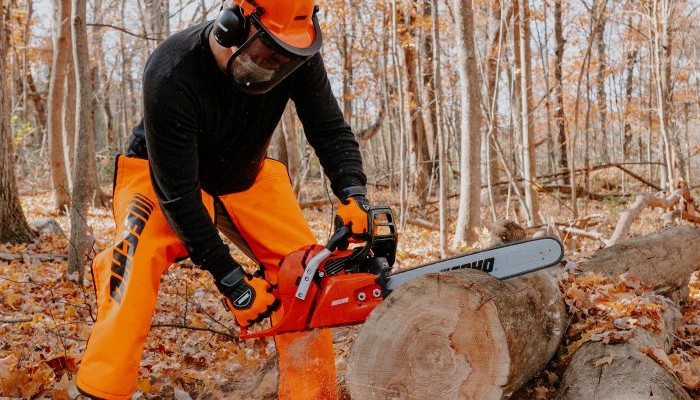
Essential Preparation: The Chain Brake
Before beginning any chain replacement procedure, the chain brake must be released. This critical first step involves pulling the chain brake handle back toward the rear handle until it clicks into the disengaged position. Skipping this step creates unnecessary complications later in the process, potentially requiring realignment or readjustment of the brake mechanism after the chain has been installed. Taking a moment to disengage the brake at the outset saves time and frustration during reassembly.
The chainsaw combination tool should be readily accessible before starting this work. This multi-function tool comes standard with ECHO chainsaws and serves multiple purposes during chain maintenance. Operators who have purchased professional chainsaw equipment typically have at least one of these tools available and keeping it in a consistent location ensures it's always on hand when needed.
Removing the Existing Chain
The removal process begins with releasing tension from the chain system. Using the chainsaw combination tool, locate the bar tensioning mechanism and turn it counterclockwise to loosen the chain. This reduction in tension makes the subsequent steps significantly easier and reduces strain on the components during disassembly.
Next, attention turns to the bar mounting nuts located on the side cover. Using the appropriate socket on the combination tool, turn these nuts counterclockwise to loosen them. The ECHO CS-620P features a thoughtful design element here: the bar nuts remain captive in the side cover and do not completely separate from the assembly. This engineering detail eliminates the common frustration of dropped nuts rolling into grass or gravel, where they can be difficult to locate.
Once the nuts are sufficiently loosened, they can be turned by hand for the remainder of their travel. The side cover can then be removed, exposing the bar mounting area and clutch assembly. With the cover removed, the guide bar and chain assembly lift away from the powerhead easily. The chain can then be slipped off the bar and set aside. If the chain being removed still has serviceable life remaining with adequate cutter length and no damaged drive links, it can be cleaned, inspected, and stored for future use.
Understanding Chain Direction: A Critical Detail
One of the most common errors in chain installation involves mounting the chain backward on the bar. This mistake leads to immediate problems: the chain will not cut effectively, the saw will produce excessive heat and smoke, and premature wear occurs to both the chain and bar. Understanding the correct orientation prevents these issues entirely.
The cutting teeth on a chainsaw chain have a specific directional design. When examining the chain, observe the small cutting teeth closely. Each cutter has a sharp edge that must face forward in the direction of chain travel. When the chain is properly positioned on top of the bar, these cutting edges should point toward the nose of the bar, away from the powerhead. This orientation ensures that as the chain rotates around the bar during operation, the cutters engage the wood with their sharp edges leading, producing the characteristic efficient cutting action of a properly functioning chainsaw.
A useful verification method involves visualizing the chain's rotation during operation. The chain travels along the top of the bar moving away from the operator toward the tip, then wraps around the nose and returns along the bottom of the bar back toward the powerhead. The cutting teeth must be oriented so their sharp edges face in the direction of this travel on the top side of the bar.
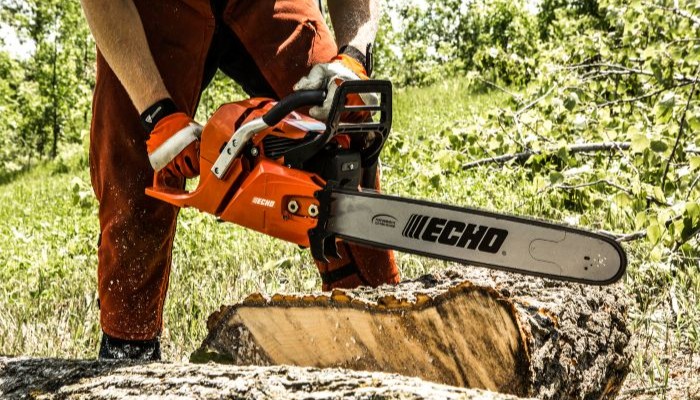
Installing the New or Serviced Chain
With a clear understanding of chain direction established, the installation process can proceed confidently. Begin by slipping the new or serviced chain onto the guide bar, ensuring the drive links nestle properly into the bar groove. Pay careful attention to chain direction at this stage, confirming that the cutting teeth face forward on the top of the bar.
Before attempting to mount the bar assembly back onto the powerhead, the bar tensioning mechanism should be adjusted. Turn the tensioning screw counterclockwise to move the tensioner bar backward, creating slack in the system. This adjustment provides the clearance necessary to fit the bar back into its mounting position while looping the chain around the clutch drum.
Position the bar so its mounting slots align with the bar studs protruding from the powerhead. While holding the bar in place, drape the chain around the clutch drum, ensuring the drive links engage properly with the drive sprocket. The bar should settle into position with the chain captured between the bar and the clutch assembly. ;
With the bar properly positioned, replace the side cover, fitting it over the bar studs. Thread the bar nuts onto the studs by hand initially, turning them clockwise until they make contact with the cover but are not yet tight. This hand-starting ensures the threads engage correctly and prevents cross-threading.
Achieving Proper Chain Tension
Chain tension directly affects both cutting performance and safety. A chain that's too loose can derail from the bar during operation, creating a dangerous situation. Conversely, an over-tightened chain creates excessive friction, accelerates wear on the bar and chain, and places unnecessary strain on the powerhead's drive components.
To establish proper tension, use the combination tool to turn the bar tensioning screw clockwise. As tension increases, the bar will be drawn forward in its mounting slots, pulling the chain tighter around the assembly. Periodically check tension by manually pulling the chain away from the bottom of the bar near its center. The chain should pull away slightly, but the drive links should not fully emerge from the bar groove.
The correct final tension allows the chain to be pulled around the bar by hand with moderate resistance, while maintaining enough tension that the drive links remain properly seated in the bar groove. Professional operators often describe proper tension as having just a small amount of give when pulling the chain away from the bar's underside.
Once satisfactory tension has been achieved, the bar nuts can be secured. Using the combination tool, turn both bar nuts clockwise, alternating between them to apply even pressure. The traditional pneumonic "righty tighty" applies here: clockwise rotation tightens fasteners. Tighten the nuts firmly but avoid excessive force that could damage the threads or distort the cover.
After the nuts are secured, make a final check of chain tension and perform a manual rotation test by pulling the chain around the bar by hand. The chain should move smoothly with consistent resistance and without binding at any point in its travel. This verification confirms that the chain is properly installed and tensioned.
Final Considerations
Before returning the saw to service, remember to re-engage the chain brake by pushing the handle forward until it clicks. This resets the safety system for normal operation. Additionally, it's good practice to check chain tension again after the saw has been operated for a few cuts, as new chains often seat themselves and may require a slight tension adjustment after initial use.
Understanding this chain replacement procedure builds competence and confidence in chainsaw maintenance, ensuring equipment remains in optimal working condition and reducing downtime during professional operations.
Adapted from content provided by Tyler from Clean Cut Lawns.
Tyler Guess
2025 Member
Bio:
Tyler Guess of Clean Cut Lawns provides affordable lawncare services in NC.