Essential Tree Trimming Safety Equipment
Personal protective equipment represents a fundamental responsibility in tree care operations. While larger companies may enforce PPE requirements, individual operators and small business owners bear ultimate responsibility for their own safety and that of their employees. Making informed decisions about protective equipment ensures both compliance and long-term career sustainability in this demanding industry.
Understanding PPE requirements and investing in quality equipment appropriate for specific tasks and seasons keeps professionals working safely and comfortably throughout their careers. The initial investment in proper protective gear pays continuous dividends through injury prevention, comfort, and sustained productivity.
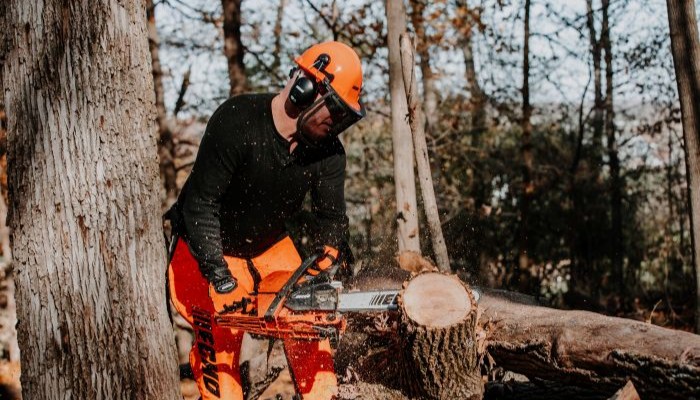
Professional Footwear
When allocating a limited PPE budget, professional-grade boots deserve priority consideration. While all protective equipment matters, footwear directly impacts daily comfort and performance more than any other single item. Tree care professionals spend entire workdays on their feet—walking varied terrain, climbing trees and ladders, maneuvering over obstacles, and maintaining agility in challenging positions. Uncomfortable or inadequate boots compromise both safety and productivity.
The fundamental criterion for work boots transcends technical specifications: they must be comfortable enough that putting them on each morning feels positive rather than dreaded. If boots cause discomfort or fatigue, they fail their primary purpose regardless of their protective features. Professionals should continue trying different models until finding boots that genuinely feel good throughout long workdays.
Tree care operations benefit from maintaining multiple boot pairs suited to different conditions and tasks. Lightweight climbing boots excel for tree work and ladder operations, offering the flexibility and feel necessary for confident footholds while minimizing fatigue during extended climbing sessions. However, these lighter boots often sacrifice some waterproofing for reduced weight and improved articulation.
Heavier, fully waterproof boots serve different applications. Models with waterproofing extending well up the lower leg keep feet dry during wet conditions but add weight and bulk that becomes noticeable during extensive walking or climbing. The strategic approach involves matching boot selection to anticipated conditions rather than forcing one pair to serve all applications.
Beyond task-specific advantages, maintaining multiple boot pairs extends overall equipment lifespan significantly. When one pair gets wet, having a dry backup available prevents the discomfort and potential health issues from working in damp footwear. Additionally, rotating between two pairs effectively doubles their useful life, as each pair experiences less wear and benefits from drying and recovery time between uses.
Chainsaw-Protective Pants
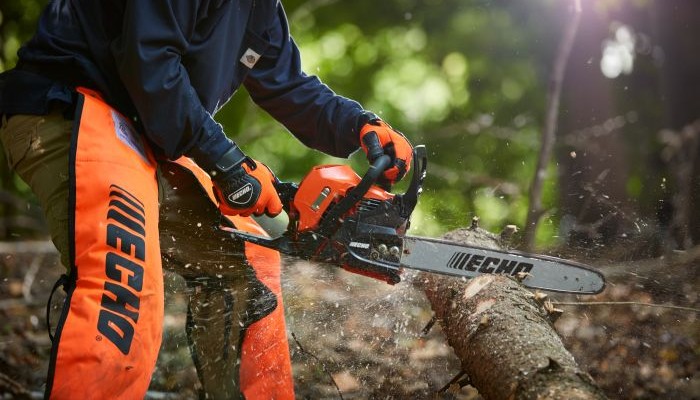
Chainsaw-protective pants represent the second critical PPE investment for tree care professionals. Modern protective pants incorporate layers of specialized fibers designed to stop or slow chainsaw chains upon contact, substantially reducing injury severity during accidental contact. The market offers options spanning from basic protection to feature-rich designs engineered specifically for climbing arborists.
Non-Protective Lightweight Options: These specialized work pants typically weigh substantially less than protective models while providing appropriate pocket configurations and durability for tree care tasks.
Entry-Level Protective Pants: Budget-conscious operations can equip ground crew members with entry-level chainsaw-protective pants in the $200-250 range. These models provide certified chainsaw protection with basic features suitable for ground-based operations.
Premium Climbing Pants: Top-tier models typically range from $400-450, representing significant investment but delivering corresponding performance advantages. The engineering attention to climber-specific needs—articulated knees, strategic stretch panels, and optimized weight distribution—translates to measurably improved comfort during extended climbing sessions.
Maintaining multiple pant pairs—whether mixing seasonal weights or simply rotating between identical models—extends equipment life substantially. Wearing a single pair for twelve months annually accelerates wear dramatically compared to rotating between two or three pairs matched to seasonal conditions and specific tasks.
Head Protection
Professional climbing helmets represent the most expensive single PPE component, typically requiring $300-900 depending on features and accessories. This investment warrants careful consideration but should not be compromised, as head protection literally safeguards professionals' most critical asset.
Modern arborist helmets provide certified impact protection with integrated features specifically addressing tree care hazards. Top-rated models offer superior side-impact protection—a critical consideration given the multi-directional nature of tree work hazards. Integrated face shields and hearing protection eliminate the need for separate components while ensuring consistent protection.
Quality helmets feature extensive adjustability accommodating different head sizes and shapes while maintaining secure fit during dynamic work. Ventilation systems manage heat buildup during strenuous work, and many models accommodate aftermarket accessories like communication systems that improve crew coordination and safety.;
Understanding the realistic purpose of climbing helmets helps set appropriate expectations. These helmets primarily protect against the frequent minor impacts that occur during routine tree work—falling small branches, contact with overhead growth during positioning, or incidental contact with equipment. While helmets provide some protection during falls, their primary value lies in preventing the accumulated minor head injuries that occur regularly during normal operations. Professionals frequently experience light impacts that would be merely annoying without helmet protection but could cause injury or concussion without it.
The Economics of Safety
Quality PPE requires substantial financial investment. A complete professional setup including boots, protective pants, and helmet easily exceeds $1,000 and may approach $1,500 for premium components. This upfront cost can seem daunting, particularly for individuals starting independent operations or small companies equipping multiple employees.
However, this investment perspective changes dramatically when considering the alternative costs. A single serious injury from inadequate protection can result in lost work time measuring weeks or months, medical expenses, and potential long-term impairment. Leg injuries from chainsaw contact—common among those working without proper protective pants—frequently require extensive recovery periods that dwarf PPE costs many times over.
Quality equipment also delivers superior comfort, directly impacting productivity and job satisfaction. Uncomfortable or inadequate PPE causes fatigue, distraction, and reduced performance throughout long workdays. Premium equipment engineered specifically for tree care applications works with professionals rather than against them, enabling focus on the task rather than fighting equipment limitations.
Investing in appropriate PPE for each crew member represents sound business practice that protects both individuals and operations. The equipment expense becomes negligible when amortized across years of safe, productive work compared to the devastating costs of preventable injuries.
Adapted from content provided by Phil from Vision Landscapes.
Phil Leger
Vision Landscapes
2026 Member
Bio:
Phil Leger is the owner of Vision Landscapes in Montreal. He is skilled arborist that provides full-scale services to his clients.