Cut-Off Saw Guide
Whether you’re a contractor, utility worker, professional landscaper or a serious do-it-yourself Yarder, a cut-off saw can handle every tough job around the home or yard. These essential tools can cut through almost all materials, including concrete, metal and masonry, with precision and speed.
Keep reading for our safety-first guide to buying and using a cut-off saw. We’re covering what a cut off saw is used for, how to use one safely and how to maintain these powerhouse tools properly.
What is a Cut-Off Saw
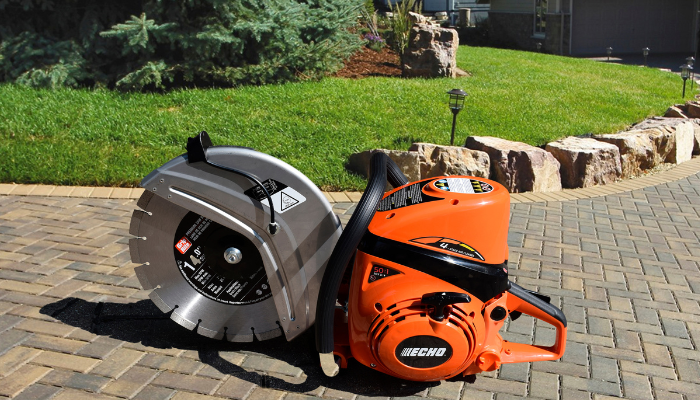
A cut-off saw is often also called a concrete saw, masonry saw or power cutter. These portable gas-powered tools are ideal for making straight, precise cuts in hard materials like concrete, asphalt, metal pipes, rebar, stone and brick. Cut-off saws differ from circular saws and angle grinders because they make clean cuts up to several inches deep with a reinforced abrasive or diamond blade.
Common Uses for a Cut-Off Saw
Cut-off saws can be used for demolition, metalwork and trenching. They’re great for landscapers who need to make clean cuts for paver edging. A cut-off saw can be used in a variety of applications, including:
- Construction and demolition: Easily and quickly cuts concrete slabs, blocks and openings for doors and windows.
- Landscaping and hardscaping: Cleanly cut pavers, curbstones and asphalt for patios and walkways or when building retaining walls.
- Metal fabrication: Quickly and cleanly trim rebar, pipes, rods and structural steel.
- Utility and maintenance: Clear debris in tight spaces and rescue embedded pipes.
- Renovation projects: You can use a cut-off saw to divide tiles or metal framing.
Key Components & Terminology
Learning the various parts of the cut-off saw ensures that you understand how to operate it safely.
Engine & Power Source
ECHO’s CSG-7410 is built for demanding jobs. Its 73.5 cc two-stroke engine offers reliable performance and strength. A strong torque and high drive ratio allows for quick cutting through thick masonry blocks and dense concrete without becoming bogged down. It has a user-friendly design, four-stage air filtration system and a quick-release hose adapter.
Cutting Wheel (Blade)
The cut-off saw’s cutting wheel grinds through materials while spinning at 8,000 to 12,000 RPM. Get the most versatility by matching your blade to the job type.
- An abrasive blade (included) is ideal for metal or general cutting.
- A diamond blade (sold separately) is perfect for masonry.
- A carbide blade is great for cutting steel, aluminum, pipe, or conduit.
Guard & Safety Features
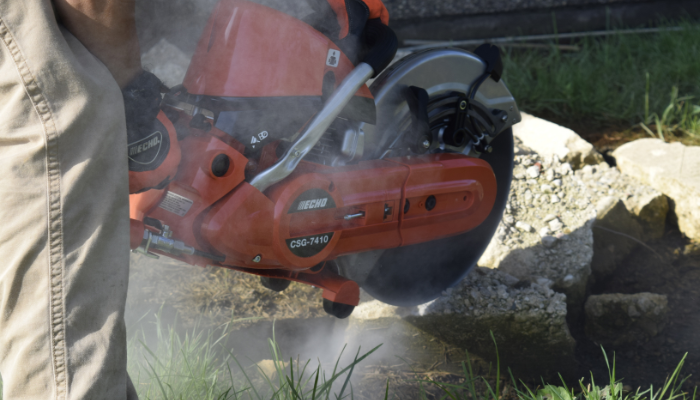
The blade guard controls cut depth and shields the spinning cutting wheel. Throttle locks, momentary stop switch and anti-vibe handles are important safety features that can prevent serious mishaps.
Handle & Controls
Ergonomic features include a front aluminum handle with rubber grip, a rear handle, a trigger throttle, a stop switch and a primer bulb.
Choosing the Right Cut-Off Saw for the Job
Before purchasing your new cut-off saw, consider several factors. Understanding cutting capacity and depth ensures you get the right saw for your needs. You also want to think about engine size and power, how frequently you’ll use your new tool and more. If you’re a professional landscaper, look for a saw with high-RPM durability. If you’re a DIY Yarder, you can often get away with a lighter model.
Pre-Use Inspection List
Use the following simple checklist before operating a cut-off saw.
- Inspect the blade for cracks, chips or signs of warping
- Replace the blade if necessary
- Check fuel levels
- Ensure the guard is properly positioned
- Test the throttle, stop switch and starter
- Check and tighten all nuts and bolts
- Look for fuel leaks and loose parts before every use
How to Use a Cut-Off Saw
Learn how to use your cut-off saw safely by following the step-by-step guide below.
Preparing the Work Area
Before using any power tool like a cut-off saw, clear away debris and secure your workpiece. If your work area is dusty, wetting it down helps reduce dust and improves safety. Always wear personal protective equipment (PPE).
Starting the Cut-Off Saw
Prime the saw and turn the choke on. Pull the starter with the saw on the ground and let it warm up before using the throttle.
Making the Cut
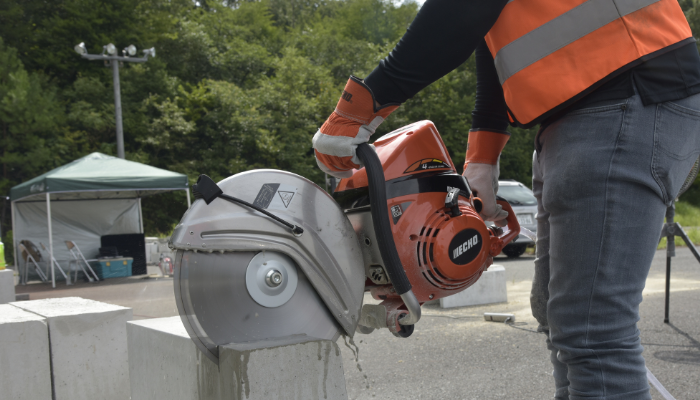
To avoid injury, always be sure to grip the saw with both hands. Align the blade perpendicular to your surface and apply steady, light pressure. Don't forget to let the RPMs do the work for you.
Finishing the Cut Safety
When you get to the end of each cut, ease off the throttle. Lift the blade completely off the surface you were cutting through and turn off the engine so you can safely inspect your work.
Safety Fundamentals When Using a Cut-Off Saw
Safety is a critical part of safe saw operation, so you should understand the basics. Know what proper PPE to wear and review recommended handling and common mistakes to avoid.
- PPE: Always wear goggles, gloves, ear protection, chaps, proper footwear such as steel-toed boots, and a respirator.
- Two-handed grip: Stand firm and use both hands when operating a cut-off saw.
- Avoid kickback: Don’t make shoulder-height cuts or attempt side-grinding. Never force the blade of a cut-off saw.
- Stable start: Ground-rest your saw when starting.
- Don’t overreach: Keep your body safe and clear from the blade when cutting.
Maintenance & Troubleshooting
Performing basic upkeep and maintenance will significantly extend the life and performance of all of your power tools, including your cut-off saw. To protect your tool and ensure safe operation with every use, note the following:
- Perform routine care: Clean your saw after every use. Sharpen and replace the cutting wheel as needed.
- Blade changes: Whenever changing or replacing your blade, be sure to use one that’s recommended by the manufacturer for your specific saw. To extend the life of your blade, store your saw in a dry place.
- Engine upkeep and maintenance: Service your saw once every year. Be sure to use fresh fuel.
- Common issues or problems to be aware of: If you notice your saw is losing power, check the air filter and spark plug for wear and tear. If your saw won’t start, check the fuel and carburetor.
Taking the time to learn about your cut-off saw means you can use it safely and maintain it properly. Cut-off saws are powerful, versatile tools that make the hard work easier. ECHO cut-off saws help you get the job done right.
Browse ECHO Cut-Off Saws & Personal Protection
CSG-7410
73.5 cc Cut-off Saw
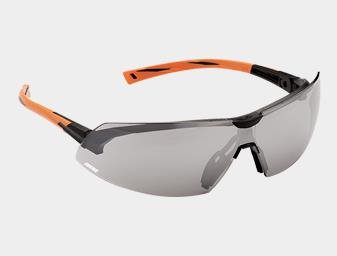
Tiger Glasses
102922455
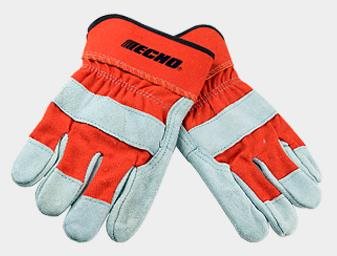
Heavy-duty Work Gloves
103942074
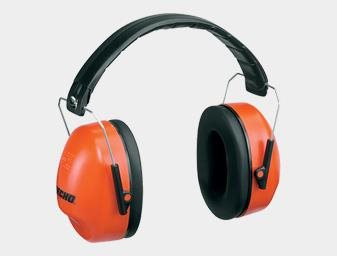
Hearing Protection
99988801520