Derusting Weeding Wheel for Commercial Properties
Derusting weeding wheel attachments provide professional landscape operations with specialized tools for controlling weeds in challenging environments where traditional string trimmers create property damage risks or prove ineffective. Understanding proper installation and strategic applications helps commercial crews work safely around vehicles and delicate surfaces.
Primary Application: Gravel and Parking Lot Maintenance
The weeding wheel excels in commercial parking lot weed control, particularly along gravel edges, pavement cracks, and areas adjacent to parked vehicles. Traditional string trimmer line poses significant liability risks in these environments—high-speed line impacts can chip paint, crack plastic trim, and most seriously, break vehicle windows. Even a single windshield replacement claim easily exceeds several hundred dollars, making the modest weeding wheel investment worthwhile for operations serving commercial properties with vehicle parking.
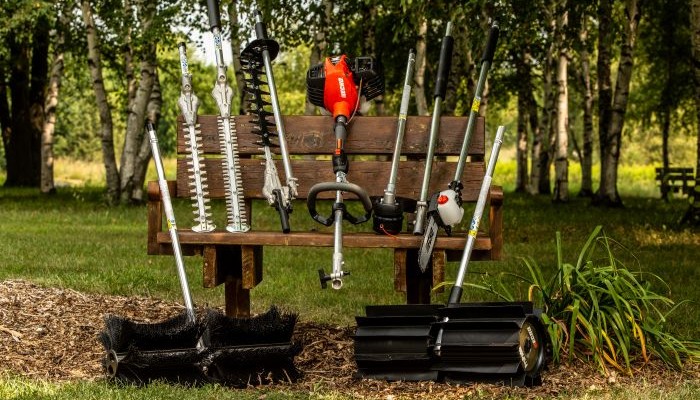
Gravel parking lots and driveways present additional challenges for string trimmers. Flying gravel propelled by spinning line creates projectile hazards affecting nearby vehicles, building windows, and bystanders. The weeding wheel's solid blade design eliminates this projectile issue while effectively cutting weeds growing through gravel surfaces.
Derusting Weeding Wheel Compatibility
These attachments designed for PAS (Power Attachment System) compatible powerheads fit ECHO's attachment-capable equipment including battery-powered models like the DPAS-2600 and gas-powered PAS systems. The universal attachment interface enables quick tool changes, allowing crews to switch between string trimmer heads and weeding wheels based on job site requirements.
Installation Considerations
How to install derusting weeding wheel attachments follows standard PAS connection procedures, though assembly experiences vary. Some units ship with complete mounting hardware and attachment tools, while others arrive with minimal accessories requiring separate hardware sourcing. This inconsistency suggests verifying included components before field deployment.
Derusting weeding wheel instructions typically accompany products, but installation complexity varies by specific model and powerhead combination. Most installations involve aligning the drive shaft coupling, securing the attachment with provided hardware, and verifying blade clearance and security before operation. Operators should expect variation in ease of installation—some configurations attach quickly while others require additional adjustment for proper alignment.
Operational Benefits for Commercial Properties
Beyond vehicle damage prevention, weeding wheels deliver additional commercial property advantages. The blade cuts cleanly without dispersing debris across wide areas, reducing cleanup requirements on finished surfaces like sidewalks and building entrances. This containment proves valuable when working near doorways, loading docks, and customer entrances where appearance matters.
The attachment handles dense weed growth more effectively than string line in certain situations. Thick-stemmed weeds that repeatedly break trimmer line yield to the weeding wheel's cutting blade, maintaining productivity rather than causing constant line reloading cycles.
Professional operations serving commercial properties with parking areas, vehicle storage lots, or extensive gravel surfaces should consider adding weeding wheel attachments to equipment inventories. The ability to switch between string trimmer heads and weeding wheels based on proximity to vehicles and surface types protects against liability while maintaining efficient weed control across varied site conditions.
Adapted from content provided by Craig from Clean Cuts Yards.
Craig Willeford
Clean Cuts Yards
2023 Member
Bio:
Craig Willeford of Clean Cuts Yards is a landscaper and commercial lawncare professional in the Texas area.