How to Attach the ECHO Speed Feed® Trimmer Head Correctly
ECHO Speed Feed trimmer heads enable quick line reloading without tools, but improper reassembly after clearing wrapped line creates frustration and wasted time. Understanding the rotation direction indicators molded into the spool ensures correct installation on the first attempt.
The Common Reassembly Mistake
String wrapping inside the trimmer head requires disassembly to clear the tangled line. Operators remove the spool, extract wrapped string, reload fresh line through the eyelets, and prepare to reassemble—only to discover after snapping the spool back into the housing that it was installed backward. The head won't advance line properly, requiring complete disassembly and reinstallation. This mistake wastes several minutes per occurrence and frustrates even experienced operators.
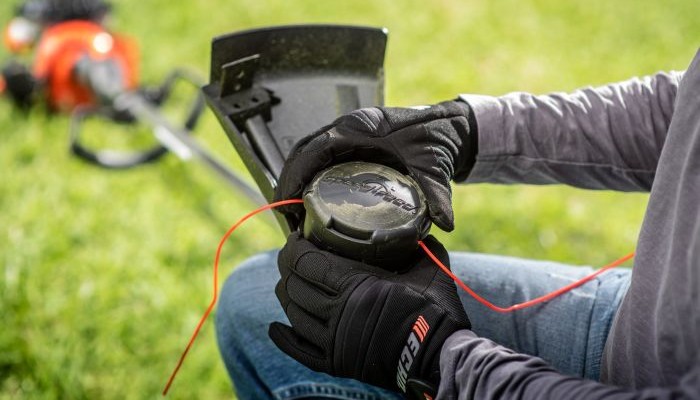
Understanding the Directional Indicators
Speed Feed spools feature molded rotation indicators that specify proper installation orientation. Two distinct markings appear on the spool body:
"R" with rotation arrow: Indicates the spool rotates clockwise (right) during operation
"L" with rotation arrow: Indicates the spool rotates counterclockwise (left) during operation
These markings correspond to the trimmer head's actual rotation direction during use. The arrow shows the direction the head spins when the throttle is engaged.
Determining Your Trimmers Rotation Direction
Most ECHO trimmers rotate counterclockwise when viewed from the cutting head perspective—the operator's normal viewing angle during use. This leftward rotation means the "L" marking with its accompanying arrow should be visible when the spool is correctly installed.
To verify rotation direction for any specific trimmer, observe the head while briefly engaging the throttle. Note which direction the head spins—this is the direction the arrow on the spool should point when properly installed.
Correct Installation Procedures
When reassembling the Speed Feed head after clearing wrapped line:
- Hold the trimmer in normal operating position
- Observe which direction the head rotates (typically counterclockwise/left)
- Examine the spool and locate both the "R" and "L" rotation markings
- Orient the spool so the appropriate letter and arrow face outward
- Align the arrow to point in the actual rotation direction
- Snap the spool firmly into the housing
The key principle: the visible marking and arrow should match the head's actual rotation direction when the trimmer operates normally. For standard counterclockwise-rotating heads, the "L" marking remains visible after correct installation.
Verification of Line Advancement
After installation, verify correct orientation by attempting to advance line using the bump-feed mechanism. Tap the head firmly against the ground while the engine runs at operating speed. Properly installed spools advance line smoothly through centrifugal force and the bump mechanism working together.
If line doesn't advance or the head operates roughly, the spool likely requires reinstallation in the opposite orientation. This immediate feedback confirms whether installation succeeded before returning to work.
Why Orientation Matters
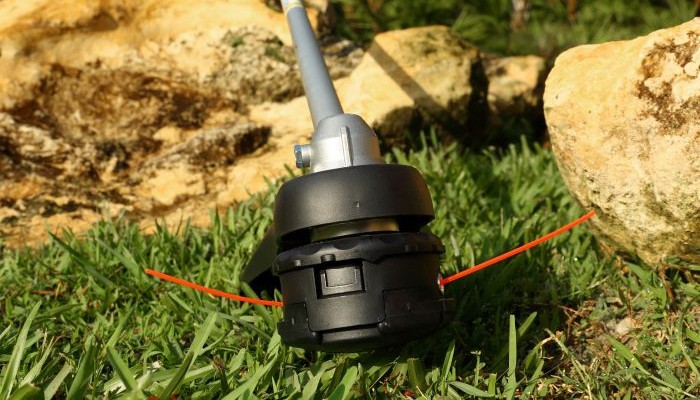
The Speed Feed mechanism relies on precise interaction between the spool's internal geometry and the housing's engagement features. Installing the spool backward misaligns these components, preventing the bump-feed mechanism from releasing line properly. The centrifugal clutch that controls line advancement also depends on correct orientation to function as designed.
Training Crew Members
New crew members frequently make the orientation mistake during their first Speed Feed reloading experiences. Brief training demonstrating the rotation indicators and proper installation technique prevents repeated disassembly attempts. Emphasizing the simple rule—"arrow points in the direction the head spins"—provides an easy memory aid that ensures correct installation.
Experienced operators who understand this orientation system complete Speed Feed reloading quickly and confidently, eliminating the trial-and-error approach that wastes time between jobs. The molded indicators exist specifically to prevent installation errors but only benefit operators who know to reference them.
Professional Efficiency
For landscape operations running multiple trimmers across crews, ensuring all operators understand proper Speed Feed orientation reduces downtime and frustration. The few minutes spent teaching this technique pays back through eliminated mistakes and faster line reloading throughout the season. When string wrapping does occur—an inevitable situation during normal trimmer use—crews trained in correct reassembly maintain productivity rather than losing time to repeated installation attempts.
Click here to learn how to reload your ECHO Speed Feed Head.
Adapted from content provided by Danny.
Danny Lanier