How to Prepare Your Lawn for the Winter
If you want your lawn to look good next spring, start preparing it in late fall. Unfortunately, there isn’t just one winterizing task you can do and be done. But by following a series of lawn care before winter steps, your grass will be healthy and ready to go dormant for the winter. This means it has a better chance of surviving cold temperatures, snow and moisture, so it’s beautiful once again when the weather warms back up.
True Yarders don’t see lawn care as a chore. They’re committed to making outdoor spaces more livable, pretty and enjoyable. At ECHO, we celebrate taking pride in every detail. From a clean, leaf-free lawn to your final fall mow, preparing your lawn for winter is easy when you understand the basics.

When Should You Start Preparing for Winter
The best time to start winter lawn prep is actually early fall. Preparing your lawn while grass is still growing gives you time to get the basics done. Mowing, aerating, overseeding and fertilizing are essential before the ground freezes.
There isn’t a universal date for knowing how to prep a lawn for winter. Cool-season grasses tend to do best when fall maintenance starts while temperatures are still moderate so growth can continue. Warm-season grasses follow a different schedule.
For best results, plan your fall lawn care schedule around the following factors:
- Type of grass
- Local climate
- Recent rainfall
- Soil moisture
- The expected first frost date
- Your lawn’s condition at the end of summer
When learning how to prepare your lawn for winter, plan early and adjust as needed based on weather conditions.
Your Winter Lawn Prep Checklist
Review this checklist for the biggest tasks you should complete before the ground freezes. Completing them helps prepare your lawn for winter and encourages strong, healthy growth in the spring.
- Keep mowing as long as grass is growing
- Rake up or mulch fallen leaves and other lawn debris
- Keep weeds under control
- Aerate areas where soil is compacted
- Overseed thin or bare spots
- Apply the right fertilizer based on grass type, soil conditions and recommendations
- Keep watering during the fall when weather conditions are dry
- Reduce traffic on saturated turf
- Prepare your outdoor power tools to store over the winter
Keep Mowing Until the Grass Stops Growing
Just because the days are cooler doesn’t necessarily mean it’s time to put away your mower for the season. You should mow as long as your grass is still growing. Adjust your mowing schedule as temperatures drop and growth slows. Keeping your lawn at the appropriate height prevents it from becoming matted under snow and heavy rainfall.
Be sure to maintain your equipment and tools and keep mower blades sharp. You should also take care not to cut grass too short.
Clear Leaves and Other Lawn Debris
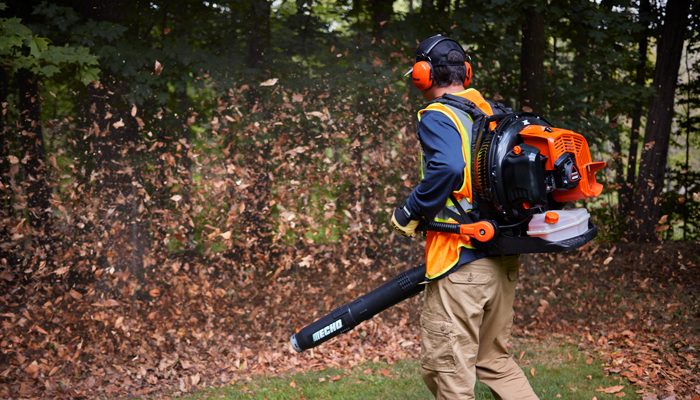
Allowing leaves to accumulate blocks light, traps moisture and restricts air movement that your lawn needs to stay healthy. It leads to disease and other winter lawn problems like thinning. Keep up with leaf removal and add mulch where needed so you don’t have a heavy layer of debris on top of your lawn. ECHO’s full line of mowers and blowers makes fall cleanup easier than ever.
Control Weeds Before Winter
Fall is the ideal time to address perennial weeds while they’re still growing, before the dead of winter sets in. Before you decide on how to remove them, figure out what you’re dealing with. In some cases, mechanical removal is the best option. Other times, though, simply changing your mowing and watering habits can help.
Aerate Compacted Soil
Aeration removes small plugs of soil throughout your yard. The holes left give your lawn increased access to air, water and nutrients. If your grass has heavy foot traffic or compacted soil, aerating in the fall can make a huge difference, especially for cool-season lawns. Aeration before overseeding improves seed-to-soil contact and creates a firmer, lush lawn next spring.
Keep in mind that aeration isn’t something every lawn needs every year. If your soil isn’t compacted and it drains well, you might be able to skip the process.
Signs your lawn would benefit from aeration when preparing lawn for winter include:
- Thin grass growth
- Patchy areas
- Bare spots that keep coming back
- Heavy foot traffic
- Standing water
- Water pools or it drains slowly
- Hard, compacted soil
- You have areas that are difficult to penetrate
- A thick layer of thatch develops (greater than ½–1 inch)
Repair Thin or Bare Areas Before Winter
Fall can be the perfect time to overseed your lawn and improve density before winter. Filling the thin areas now also helps reduce weeds.
Start early so seeds have time to germinate before your lawn goes dormant. Pay attention to the grass type, climate and growing conditions in your area. Seed-to-soil contact and moisture are critical as young grass grows. To prepare the area, spread the seed evenly and lightly rake the surface. Keep your newly-seeded area well watered, but don’t use heavy irrigation (which can wash seeds away).
You can also do what’s known as “dormant seeding” if it’s too late in the season to use the traditional process. Here, you apply seed after temperatures drop, where it remains inactive until warmer weather returns.
Fertilize Your Lawn For Winter
Fertilizing your lawn before winter supports root development, so your turf is strong as it enters winter. Choose your fertilizer based on your grass type and soil conditions. You might want to do a soil test so you know exactly what nutrients are most needed. Never use more fertilizer than recommended—it doesn’t make your lawn healthier and can create runoff or growth problems.
Continue Watering Until the Ground Freezes
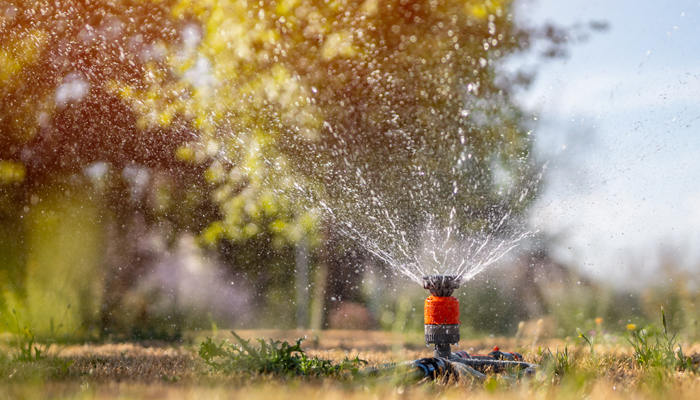
You might be tempted to stop watering your lawn as soon as the temperature drops, but grass typically continues to grow throughout the fall season, and dry conditions will stress your lawn before it goes dormant.
Check your lawn’s moisture level and monitor rainfall to determine how much you should be watering. If your yard is extremely dry, deep watering will be more effective than light irrigation. Once the ground is frozen, you don’t need to water any longer.
Protect Your Lawn During Winter
Just because it’s cold outside and your grass is dormant doesn’t mean that lawn care completely ends. How you care for and use your lawn in the winter months impacts how it looks when spring arrives.
- Reduce foot traffic on frozen turf when possible
- Avoid walking on saturated soil
- Don’t allow snow piles to accumulate on your lawn
- Be careful when clearing driveways and walkways
- Remove fallen branches and debris
- Don’t park vehicles or heavy equipment on the lawn
Winterize Your Lawn Care Equipment
In addition to winterizing your yard, you also want to care for your outdoor power tools. Properly preparing equipment for storage means equipment is always ready to go when the weather warms up next spring. Before storing your tools, review your user manuals for specific information.
Basic tasks to prepare lawn care equipment for winter storage include:
- Clean grass, leaves, clippings and debris from mowers, trimmers, blowers and other equipment
- Check all guards, belts and fasteners for wear and damage
- Sharpen mower blades and other cutting attachments
- Check all filters and spark plugs (gas-powered equipment)
- Store fuel and tools per manufacturer guidelines
- Charge and store batteries as directed (battery-powered equipment)
- Store tools in a clean, dry area that’s protected from extreme temperatures
- Clean and organize all accessories so they’re ready for use in spring
Winter Lawn Prep by Region & Grass Type
Although it would be helpful, there isn’t a universal schedule when it comes to knowing how to prep your lawn for winter. Steps and timing vary by region and grass type. Avoid broad recommendations and instead use the following tips for fertilization, mowing, overseeding and dormancy.
- Cool-season grass: In northern climates, lawns will benefit from fall aeration, overseeding and fertilization before extreme cold weather.
- Warm-season grass: If you live in the south, you should follow the fertilization and overseeding schedule that’s specific to your region.
- Transition-zone lawns: Tailor the schedule to seasonal conditions to support both cool-season and warm-season grasses.
- Mild winters: Because your lawn might continue to grow for a lot of the winter season, you may need to mow and irrigate occasionally.
- Snow and freezing temperatures: You may need to offer more protection from heavy foot traffic or prolonged periods of cold moisture.
Get Your Lawn Ready for Spring
The best way to prepare lawn for winter conditions is to use a plan that helps your yard survive every stage of the season. Continue to mow as long as your grass is growing. Manage leaves and control weeds. Repair thin spots and address overly compacted areas. Keep watering and giving nutrients when necessary.
Think of the time you put into winter lawn preparation as an investment in your spring growing season. If your lawn goes dormant with enough moisture, healthy roots and minimal debris, it has the best chance of recovering when spring rolls around.