How to Use a Leaf Blower
Getting the most out of your leaf blower is about more than moving leaves from one side of your yard to the other. The right technique saves time, reduces user fatigue and produces more consistent and better results.
Read on to learn everything you need to know about preparation, safety, operating techniques and other leaf blowing tips. Whether you’re a seasoned landscaper or a DIY Yarder who loves keeping your yard looking the best on the block, ECHO’s leaf blowing guide has you covered.
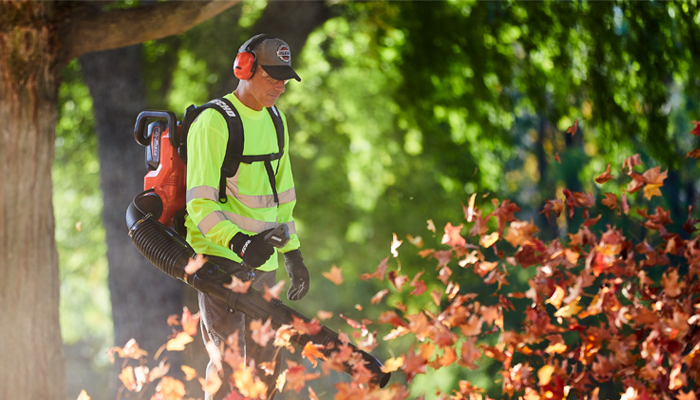
Before You Start: Choose the Right Leaf Blower for the Job
Before you blow your first leaf, you want to choose the right tool. While some of this is about which blowers are the best on the market, personal preference, your specific needs, the job and your comfort level are important factors, too.
Think about the following before choosing your new leaf blower:
- Small yard vs. large property: Smaller spaces like patios, compact yards and walkways can easily be blown with a handheld blower. But large, expansive areas, long driveways or walkways and properties with a lot of trees might require a more powerful blower. Backpack models are great for these jobs.
- Light debris vs. wet or heavy debris: Dry leaves and grass clippings are easier to blow than heavy debris like wet leaves, compacted yard waste and rocks. Make sure to get a blower with the air velocity and blowing force you need. If you regularly blow heavier items, a professional-grade gas backpack blower like the PB-9510T will save you time, energy and frustration.
- Runtime needs: If you’re looking for quiet, emission-free operation, a battery-powered blower is optimal, especially if you’re in a suburban neighborhood or typically only blow for short time periods. Gas-powered blowers offer extended runtime and consistent power for larger, commercial or more heavy-duty jobs.
- Personal comfort and ergonomics: Long sessions can cause user fatigue more quickly. A backpack-style blower evenly distributes weight across your shoulders and relieves pressure on your hips. Look for a blower with a padded harness, balanced design, anti-vibration features and cruise control for easier handling and added comfort.
- Noise considerations: Battery-powered tools are generally quieter. Gas versions can offer more power but are louder and usually require hearing protection and use during preferred or posted hours (if you’re dealing with an HOA or community requirements).
Finding the right blower depends on the job, property and your preferences. Check out all of ECHO’s leaf blowers to compare options so you get the best blower for your needs.
Gather your Safety Equipment
Because outdoor power tools like leaf blowers generate high-velocity airflow, they can stir up dust and debris. Wearing proper personal protective equipment (PPE) is critical for safe operation and injury prevention.
Any time you use a blower, you should wear:
- Hearing protection
- Eye protection
- Sturdy footwear
- Gloves
- A dust mask or respirator
- Long sleeves and pants
Prepare the Area Before you Begin
Once you have the right blower, it’s time to focus on leaf blowing techniques. Taking a few minutes to prepare before your first use will help you work faster and clean up more easily. Without the following leaf blower tips, you might end up having to backtrack or go back over the areas a second time.
These leaf blower prep steps will help you use your tool efficiently and effectively:
- Clear the area of people and pets: Keep all children, bystanders and pets at least 15 m (50 ft) away from the operating area. Even outside this zone, there is still a risk of injury from thrown objects, so bystanders should be encouraged to wear eye protection. If anyone approaches you while the blower is operating, stop the engine before continuing.
- Look for obstacles before you start: Walk the area you’ll blow and take note of any areas you’ll need to work around, like flower beds, delicate plants, outdoor furniture and vehicles.
- Remove large items by hand: Look for sticks, pinecones or bulky, heavy debris that won’t blow easily or might damage your yard.
- Check for loose gravel: Sweeping or raking areas with loose gravel before blowing can prevent chipped siding and cracked windows. It also helps protect pets.
- Find your collection points: Identify where your piles will go so you can easily transfer debris to a compost bin, tarp or bags on your curb. Work logically toward those end points.
- Clear gutters and walkways first: For fall cleanups, check your gutters so debris doesn’t fall onto your freshly blown ground.
- Wet dusty areas: Lightly misting dry or dusty areas helps reduce airborne particles that can irritate the eyes and skin and create new areas you have to clean.
How to Use a Leaf Blower Effectively
Following a few simple tips means you’ll know how to use a leaf blower like a pro. Most of it comes down to how you position your body and understanding the importance of throttle control and how patterns can maximize efficiency.
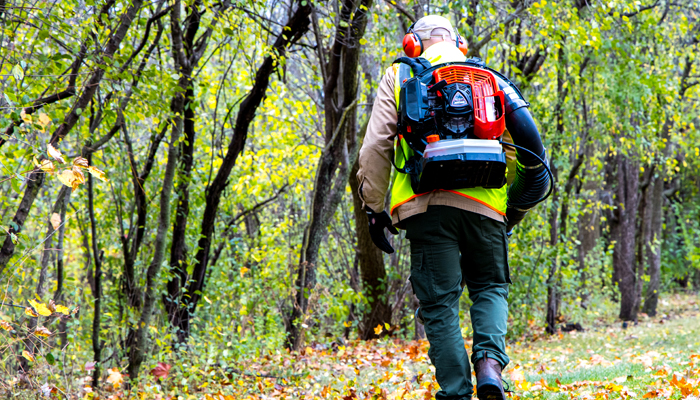
Start with the wind, Not Against It
Check the wind direction before you start. Blow with the wind at your back to extend your range and reduce the effort it takes to move debris. If you go against the wind, you’ll end up doubling your work as you’ll have to deal with scattered leaves, dust clouds and wasted fuel or battery life.
Work From the Outside In
Start at the perimeter, like along a fence or driveway, and work your way toward the center of your job site. This means you won’t blow back over clean areas, so it’s easier to keep your workflow organized.
Use Controlled Sweeping Motions
Not every job needs a full throttle push. Use variable-speed controls and if your blower has cruise control, you can lock in a consistent speed to help prevent hand fatigue during longer sessions.
- Low throttle: Great for clearing light dust and dry grass clippings and leaves on hard surfaces like cement.
- Medium throttle: Good for jobs with mixed debris on lawns or if you’re trying to move moderate leaf layers that aren’t wet or heavy.
- High throttle: Necessary for wet leaves, stubborn or large piles and heavy debris.
Build Smaller Piles Instead of One Massive One
While it might seem like making one large pile is best, smaller piles are more manageable and easier to pick up when you’re ready to bag, mulch or compost. Smaller sections also mean that if a gust of wind comes along, you won't have to redo a huge area. Work in sections and clear small piles before moving on.
Leaf Blowing Tips the Pros Use
You don’t have to be a pro to blow like one. Professionals and Yarders alike use the following tricks to maximize productivity.
- Blow dry leaves first: They’re easier to move and take less time and energy. Take care of them, then move on to heavier, wet or matted areas where you can use higher throttle settings.
- Don’t blow the same areas more than once: When you clear one zone, move on to the next.
- Use a tarp to collect debris quickly: This makes it easy to drag or fold your collection to your end point.
- Work in zones: Divide your work area into logical sections. For example, you might do your front yard, side yard, then driveway to keep momentum and not backtrack over the same areas.
- Time your sessions: The best time of day to blow is usually early morning or late afternoon. Look for calmer winds and cooler temperatures.
- Keep your tools together: Blowing can also mean needing to rake tight corners or vacuum or mulch the final cleanup area. Strategically keeping tools together makes jobs faster and more efficient.making jobs more difficult.
Common Leaf Blowing Mistakes to Avoid
Even if you’ve been using a leaf blower for years, you might find yourself falling into some bad habits that end up damaging your equipment or making jobs more difficult.
- Blowing against the wind: You’ll end up scattering debris and dust, creating more work for yourself.
- Holding the tube too high or too low: If your tube is too high, you’re not getting the most power from your blower. Alternatively, holding it too low can either damage your work surface or kick up extra dirt and debris.
- Using full throttle when the job doesn’t need it: Operating a blower at full throttle wastes fuel and battery life. It also means your job is noisier.
- Not paying attention to what you’ll be blowing: Blowing wet leaves is different than blowing dry debris. Make sure to adjust your settings according to the type of job you’ll be doing.
- Skipping the prep work: If you don’t take the time to remove sticks, large rocks or other obstacles before starting, you can end up dealing with jams, damage and scattered debris that makes your job infinitely harder.
- Making piles too big: Giant piles are difficult to manage and more likely to scatter if you have even slight windy conditions.
- Not wearing PPE: Working with outdoor power tools can be dangerous. Protect yourself by wearing appropriate PPE.
Seasonal Tips for Using a Leaf Blower
You might think that you’ll only need or use a leaf blower during the fall months, but blowers are valuable all year long.
- Spring: Clear winter debris, pine needles and leaves from beds, walkways, lawns and driveways.
- Summer: Blow grass clippings off patios and driveways or walkways after mowing. Clear out settled pollen and seeds from decks and other outdoor spaces.
- Fall: Tackle leaf drops, working with the wind to build manageable piles.
- Winter: Clear light dustings of snow from walkways and remove debris to prepare for spring.
Caring for Your Leaf Blower After Each Use
Taking care of your leaf blower is essential to prolong longevity and deliver consistent, powerful performance with every use.
- Clean air intake and cooling fins: Remove all dust and debris after each use to prevent overheating.
- Check air filters: Dirty filters reduce power and efficiency. Clean and replace as needed.
- Check all fasteners: Tighten screws, nuts and bolts to keep your blower structurally safe.
- Empty fuel or charge batteries: If you’re storing a gas blower for a long period, add a fuel stabilizer or empty the tank. Charge batteries to 80% to 100% before storing.
- Store properly: Store your blower in a cool, dry, ventilated area. Protect it from moisture and extreme temperatures.
Master your Leaf Blower Technique
Efficient leaf blowing comes down to a few simple tips: planning, proper technique and using the right tool for the job. Use logical, consistent sweeping patterns, work with the wind instead of against it and maintain your outdoor power equipment for the best long-term performance. Whether you’re a weekend Yarder or a professional who’s been doing this for years, the techniques and leaf blowing tips here will help transform leaf season so your yard looks perfect all season long, every season.