Lawn Mowing Tips
Mowing your lawn is one of the most important parts of yard maintenance and care. Proper mowing technique improves the health and appearance of your grass and supports long-term growth. Knowing how to use a lawn mower strengthens root systems, improves density and keeps your yard looking clean and lush. If you don’t care for your lawn or know the best mowing tips, you invite weeds and risk stressing your grass.
Learn expert advice and how cutting your lawn the right way keeps your yard greener, thicker and healthier. Whether you’ve been taking care of your lawn for years or you’re a new weekend Yarder, mowing knowledge makes all the difference.
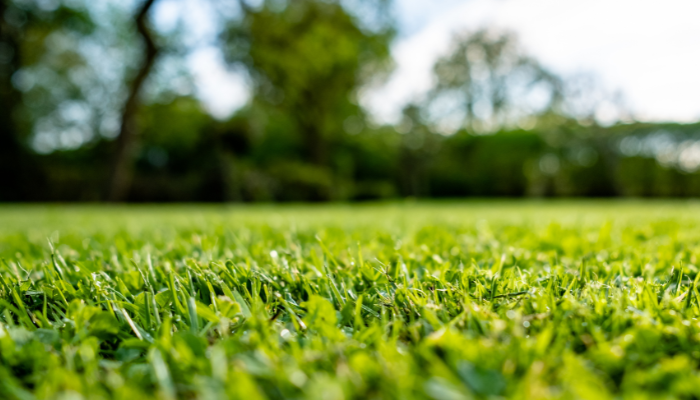
Why Proper Lawn Mowing Matters
Your mowing technique offers many benefits for lawn health, appearance and curb-appeal. Mowing the right way helps your grass develop deep, strong roots so it can survive heat, drought and foot traffic. Cutting grass too short or mowing inconsistently will stress your grass, opening the door to uneven growth, weeds and disease.
Choosing the Right Lawn Mower
When it comes to mowing the lawn, your equipment is what gets you the results you want. There are many styles, sizes and types of mowers, and everything from yard size and terrain to personal preference will help you decide which is best for your needs. Think about whether you prefer a battery or gas mower and if you like a push or self-propelled model.
Tips for choosing the best mower for your needs:
- Lawn size matters: Small yards might only need a push mower, but large properties and jobs can be easier when you have a self-propelled or riding mower.
- Terrain: If you have uneven terrain or a sloped yard, look for a mower with excellent traction and control.
- Power type: Gas mowers can run longer, but battery-powered mowers are quieter and require less maintenance.
- Comfort preference: Adjustable handles and easy-start features make your weekly job more comfortable and efficient.
When to Mow Your Lawn
Consider grass growth and seasonal conditions when deciding when to mow your yard. How often you mow is a key part of yard health. Because grass grows at different rates throughout the season, your mowing schedule should adapt accordingly. During spring and early summer—peak growing seasons—you should mow weekly (or more often if you get a lot of rain).
Ideal Grass Height
Maintaining proper grass height is essential when it comes to mowing your lawn. If your mower is set too low and it cuts the blades too short, your grass will be stressed. Known as scalping your lawn, excessively cutting your grass reduces photosynthesis. Most lawns do best when mowed to 2.5 to 4 inches tall (depending on grass type). Adjusting the deck height ensures you mow to the perfect height, which protects your lawn and promotes thick, lush growth.
Time of Day Matters
It’s best to mow your lawn during the cooler parts of the day. Midmorning and early evening are ideal, especially in the peak heat of summer. Mowing during the hottest part of the day results in moisture loss and causes added stress to your grass. It can also cause grass to turn brown.
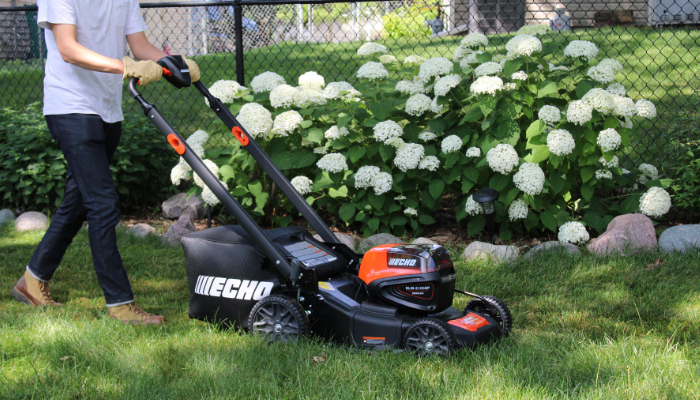
Essential Lawn Mowing Tips for Best Results
Knowing preferred mowing techniques will help you mow at the right time, to the right height, so your yard looks good all season long.
Follow the One-Third Rule
Don’t cut more than one-third of your grass blade in a single mow. If you cut too much at one time, you’ll shock your grass, weakening its structure and creating unhealthy turf.
Keep Blades Sharp
Sharp blades are key to a beautiful yard. They create clean, even cuts and won’t tear blades, which can cause browning and promote disease. Fortunately, taking care of mower blades is easy when you perform routine lawn mower maintenance and sharpen your blades regularly.
Change Mowing Patterns
Don’t mow the same in direction or pattern every time. By using alternate patterns, you reduce the risk of soil compaction and encourage grass to grow upright and strong. Using varied mow patterns creates that professional, well-cared-for, striped look that every homeowner and Yarder strives for.
Mow at a Steady Pace
Mowing is the one yard task that can’t be rushed. Mow slowly and consistently to achieve even cuts. Mowing too slowly can overwork your mower, though, so try to find that steady, controlled pace that produces even results and gets the best performance out of your lawn mower.
Overlap Slightly for Even Coverage
When mowing rows, overlap slightly on each pass to create a uniform look and prevent you from missing anything. This is one of the most effective mowing techniques you can use, and you’ll see an immediate impact on results.
Lawn Mowing Techniques by Lawn Condition
You can—and should—adjust your mowing technique based on the specific lawn conditions you’re dealing with. Keep in mind that conditions will change throughout the season, so you should adopt new strategies as needed.
Cutting Thick or Overgrown Grass
If you missed a week of mowing and your lawn is overgrown or out of control, don’t cut it all at once. Instead, gradually reduce the grass height over several mowing sessions so your grass isn’t stressed.
Mowing Wet vs. Dry Grass
It’s best to mow when the grass is dry, since wet blades will clump together and can clog your mower. Mowing when your lawn is wet also leads to uneven cuts and can cause a slip-and-fall hazard, especially if you have a sloped yard.
Mowing on Slopes
If your land is sloped, prioritize safety and focus on control. Mowing across the slope, instead of up and down, is recommended if you’re using a push mower. Make sure to wear sturdy shoes and focus on stable footing as you work.

How to Use a Lawn Mower Safely
Knowing how to use a lawn mower safely isn’t difficult, and it’s just as important as your mowing technique. It means you can keep up with your schedule all season long without having any downtime due to an injury.
- Inspect your mower before each use: Check for and clear any debris like rocks or sticks. Check the entire mower for loose or damaged parts.
- Operate your mower safely: Remember to keep your hands and feet away from all moving parts. Take advantage of the safety features your mower offers.
- Wear proper gear: PPE like closed-toe shoes and eye and hearing protection keeps you safe and reduces the risk of injury.
After-Mowing Lawn Care Tips
There are a few after-mowing tips you can use to maintain the health of your lawn. Simple steps like handling clippings properly, cleaning your mower after each use and monitoring lawn health will save you time, money and energy in the long run.
Leave Clippings or Bag?
You can actually use your lawn clippings to improve the health of your grass. Clippings act like mulch, putting nutrients back into the soil and serving as a natural lawn fertilizer. If your grass is excessively long or diseased, though, it’s better to bag the clippings.
Clean Your Mower
Lawn mower maintenance might seem intimidating, but once you know what to do, it’s simple and will prolong the life of your equipment. Remove grass buildup after every use, and if you use a gas-powered mower, be sure to regularly check and change the oil. Refer to the manufacturer’s guidelines for your specific mower, but a good rule of thumb is to change the oil every 20–25 hours of use or once or twice each season.
Inspect Your Lawn
Check your lawn for uneven spots, pests, disease and other issues after mowing. When you catch problems early, it takes less time and effort to correct them.
Common Lawn Mowing Mistakes to Avoid
There are several common lawn mowing mistakes to avoid. Remember that you don’t want to:
- Mow the grass too short
- Use dull blades that tear grass instead of making clean cuts
- Mow wet grass
- Ignore basic mower maintenance
- Use the same mow pattern each time
Proper mowing techniques are critical to maintaining a healthy, green lawn. When you adopt consistent habits, use the right equipment and follow the tips provided here, you’ll get the best results and have a yard you can be proud of all season long.